


By Bridget Kakuwa & Benjamin Abugri
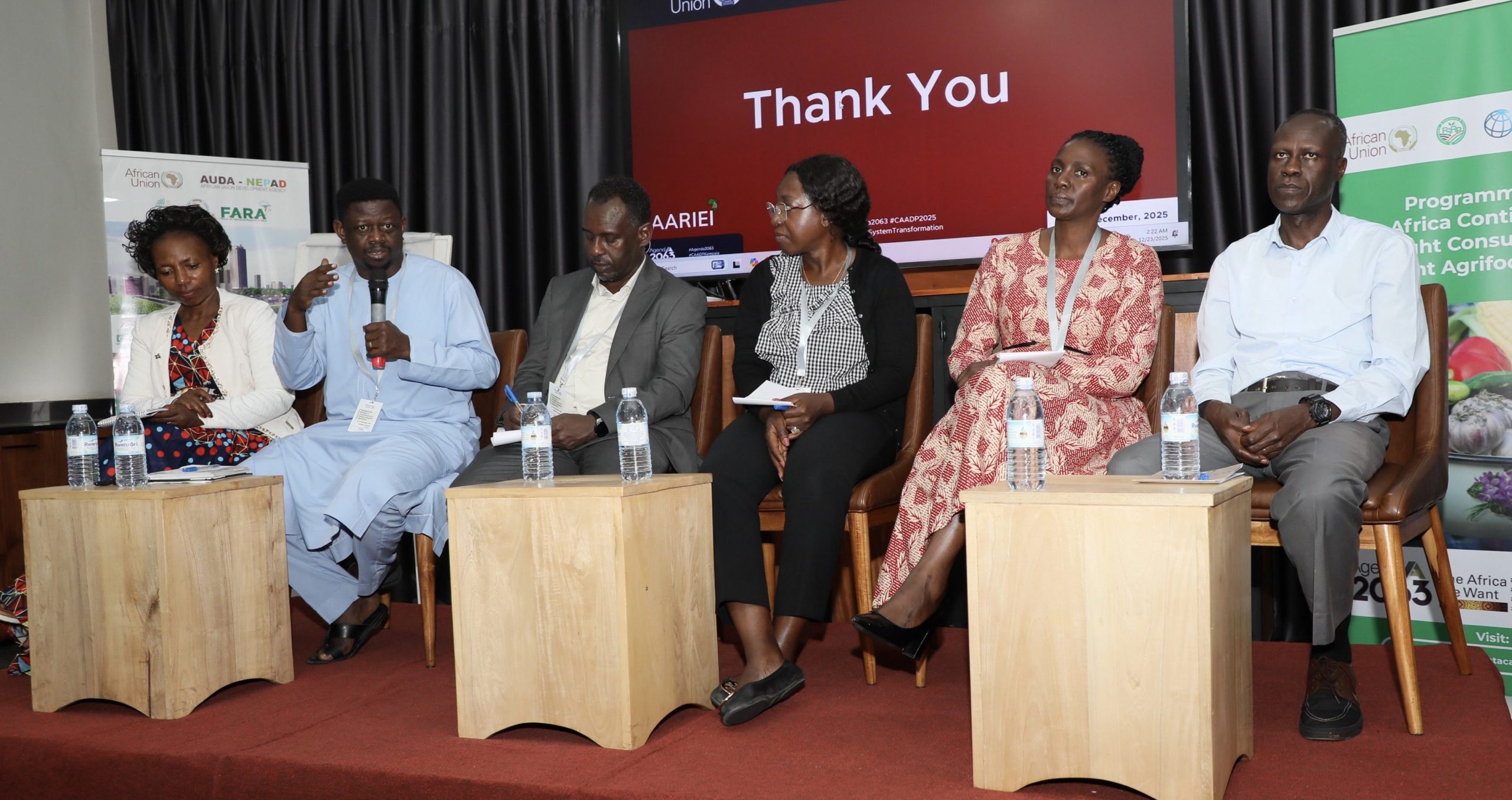
Continental and regional research, education, and extension organisations, development partners, policymakers, and agricultural stakeholders from across Africa convened in Kampala, Uganda, for a high-level Multistakeholder Workshop on Strengthening Research, Education, Extension,and Development (R-E-D) from 21 to 23 December 2025. The meeting was anchored in the World Bank–funded Food Systems Resilience Programme (FSRP) and convened by the African Union Commission (AUC).
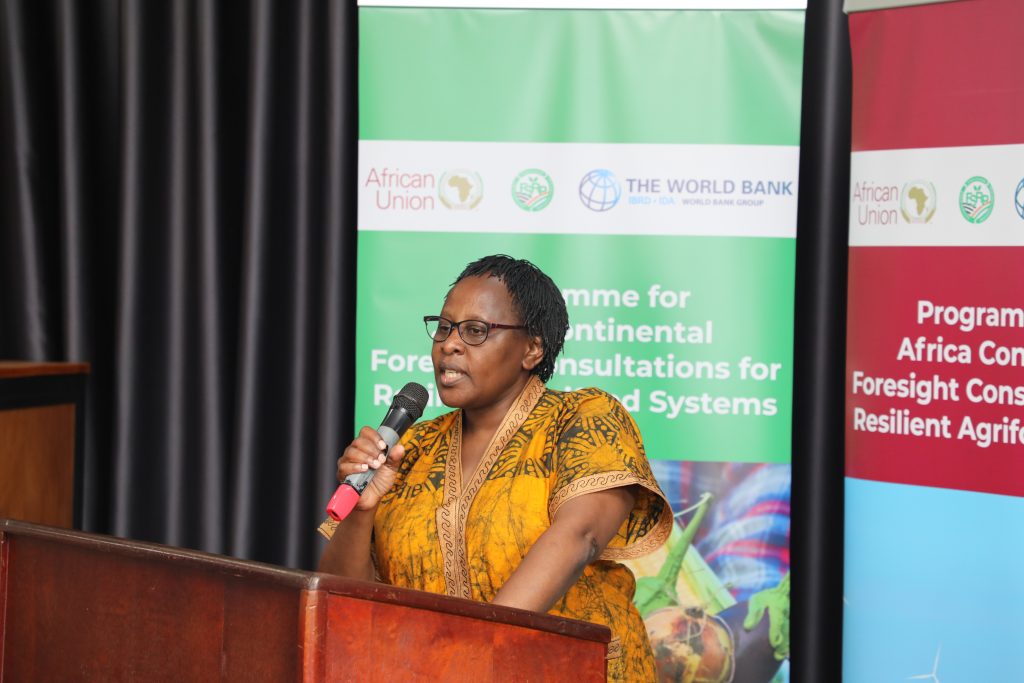
Opening the workshop, Dr Lilian Lihasi, Executive Directorof the Africa Forum for Agricultural Advisory Service (AFAAS), underscored the urgency of collective action to transform Africa’s food systems. She emphasised that the workshop provided a unique multi-stakeholder platform for shared learning, dialogue, and joint problem-solving, noting that meaningful engagement among continental, regional, and national actors is essential to deliver the change Africa urgently requires.
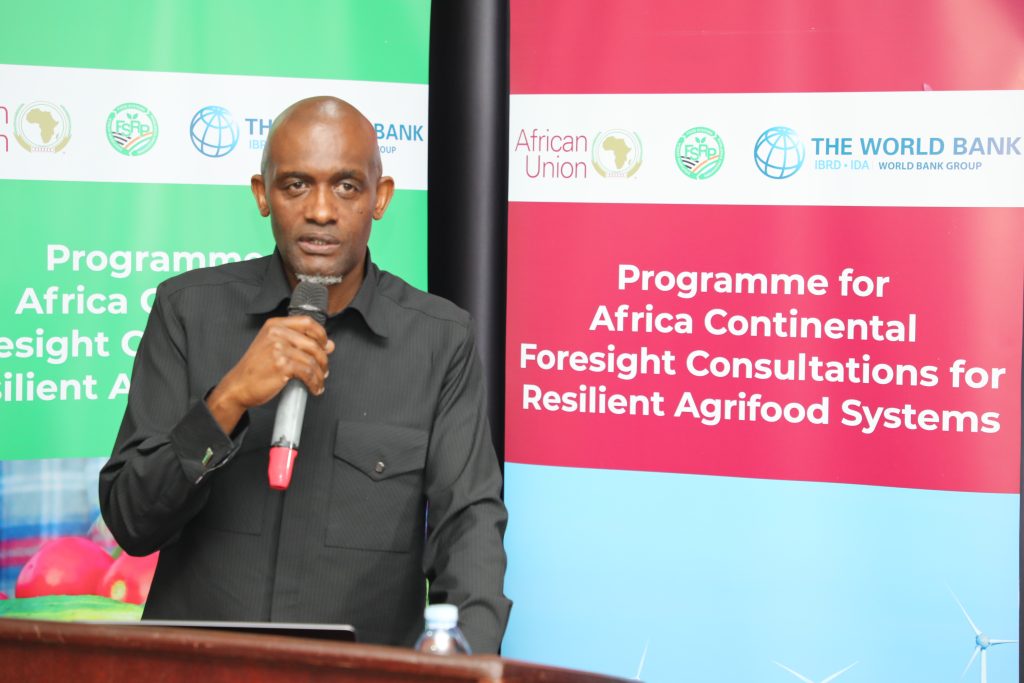
Speaking on behalf of the CAADP-XP4 Programme, Dr Aggrey Agumya reflected on Africa’s persistent challenge of translating commitments into action, observing that nearly 93 per cent of continental declarations remain unimplemented. He explained that the African Union has resolved to change this trajectory by ensuring that future declarations are grounded in realistic and attainable targets. He affirmed that CAADP-XP4 represents a progressive shift toward results-oriented implementation and stressed that the effective deployment of science, technology, and innovation is a prerequisite for achieving FSRP objectives.
Dr Agumya highlighted CAADP-XP4’s role in strengthening agricultural research for development through enhanced institutional collaboration and the establishment of the African Agricultural Research, Innovation and Education Institutions (AARIEIs). He cautioned, however, that knowledge systems alone are insufficient to drive transformation at scale, emphasising the need to work closely with farmers, academia, extension services, education institutions, and the private sector to translate research into practical solutions. He commended the AUC for convening the meeting and urged XP4 partners to align more deliberately with the FSRP, while thanking AFAAS and ASARECA for hosting.
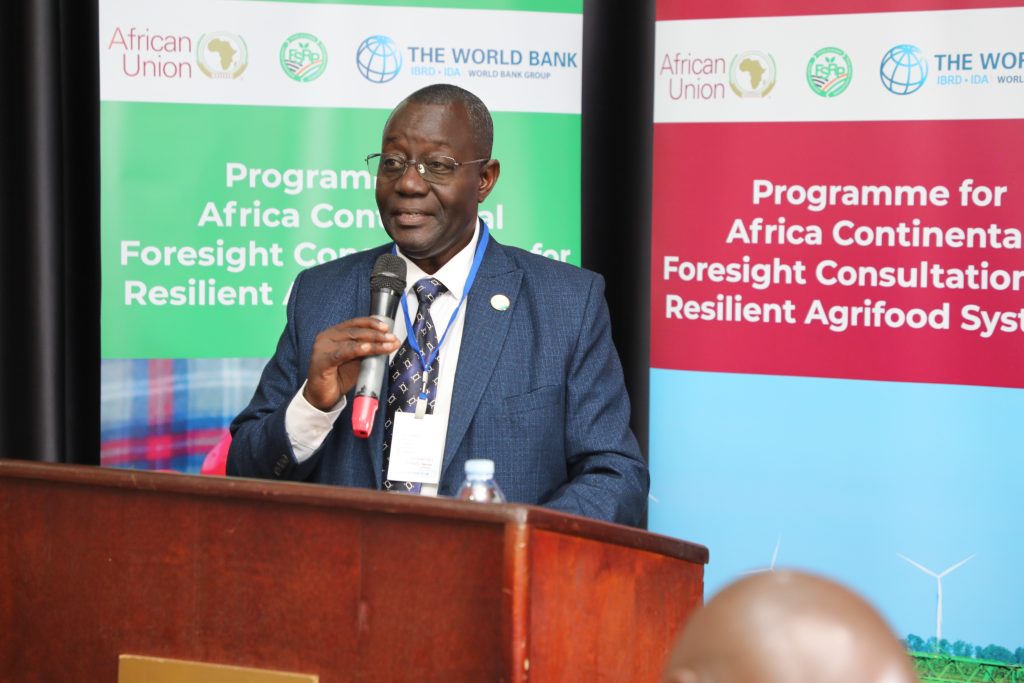
The Executive Director of ASARECA, Dr Sylvester Dickson Baguma, reinforced the critical role of Subregional Research Organisations (SROs) as institutions closest to countries and communities. He described SROs as “down-to-earth” actors who operate where implementation occurs. He emphasised that strengthening partnerships across research, extension, and education is central to achieving Agenda 2063 and the CAADP Kampala Declaration. He reaffirmed ASARECA’s commitment to working with the AUC through the RECs, as well as fellow SROs, to deliver a measurable impact, noting that the actions taken today will determine how far Africa progresses.
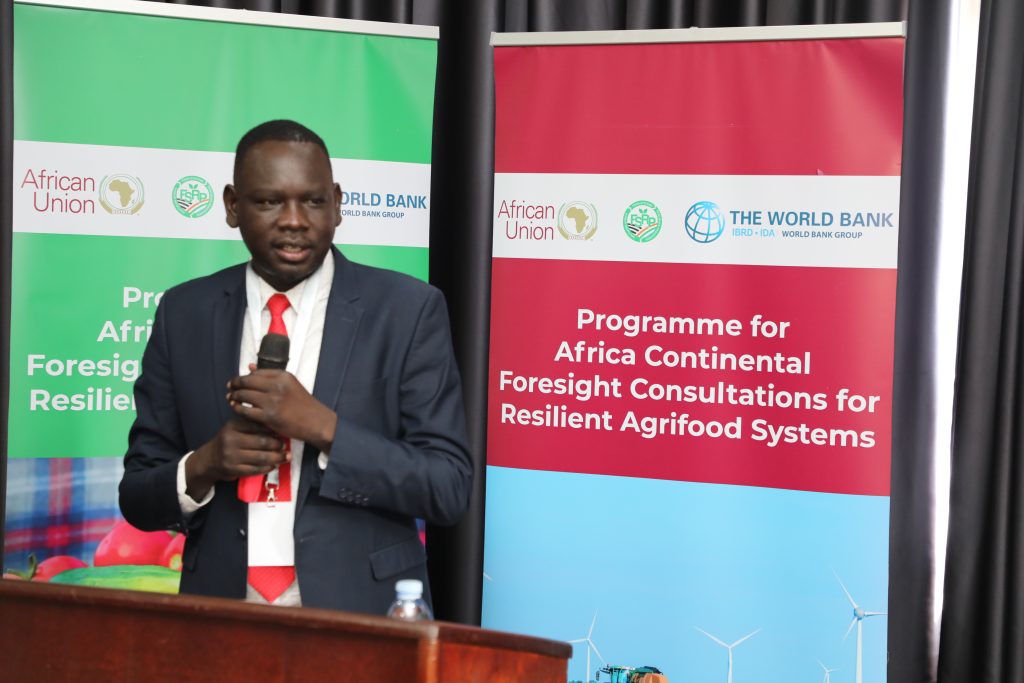
Delivering a keynote address on behalf of AUC Commissioner H.E. Moses Vilakati, Mr Kennedy Ayason, FSRP Programme Coordinator at the AUC, highlighted the immense pressures facing Africa’s food systems, including conflict, climate change, droughts, and market disruptions. He also pointed to the opportunities presented by rapidly advancing digital technologies. He explained that the World Bank-funded FSRP, a USD 3 billion programme launched in 2024 across Eastern, Southern, and Western Africa, offers a strategic vehicle for aligning continental, regional, and national efforts.
Mr Ayason outlined three imperatives underpinning the FSRP approach: recognising SROs as the backbone of implementation, ensuring research outputs reach farmers and extension systems rather than remaining on shelves, and mainstreaming artificial intelligence, interoperable digital systems, and modern data platforms as essential tools. He further explained that FSRP focuses on building resilience, mitigating post-harvest loss, conducting research and development, integrating markets through harmonised seed systems and trade, and enhancing trade-related capacities, while also supporting deeper continental integration and the implementation of the CAADP Kampala Declaration (to 2035).
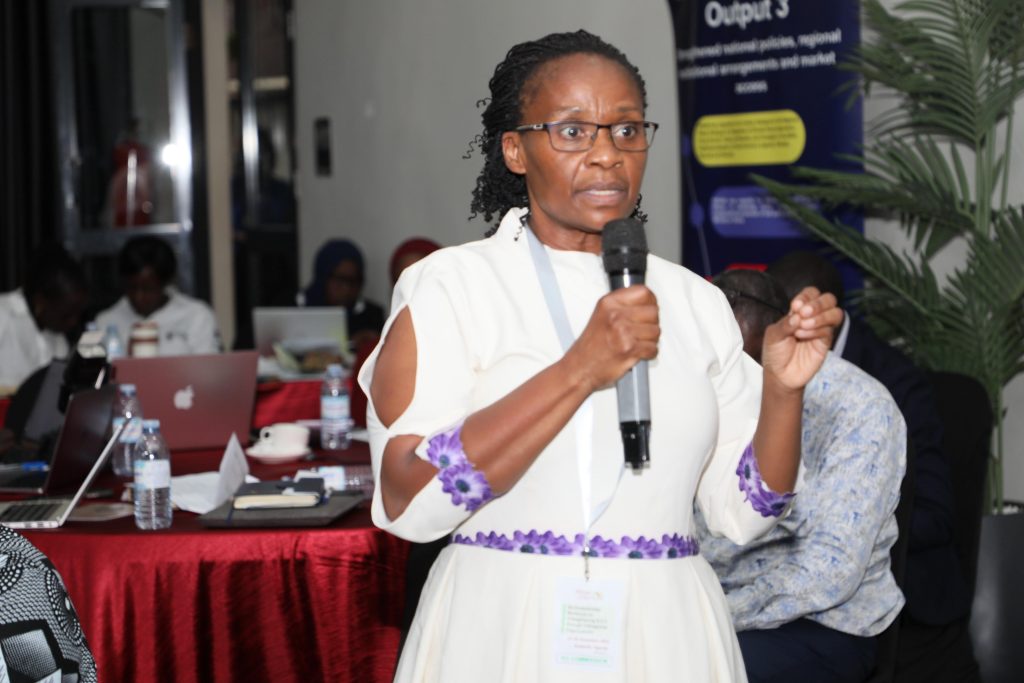
During plenary discussions, Ms Beatrice Egulu of the AUC called on AARIEI partners to move beyond general discussions and clearly demonstrate what they expect to contribute to the implementation of the FSRP and CAADP Kampala Declaration. She emphasised that clarity of roles, practical demonstrations, and accountability are essential for translating continental frameworks into measurable national and regional impact. Participants raised candid concerns around visibility, coordination, and accountability, calling for clearer frameworks to track who is doing what, where, and with what results. Executive Directors and representatives from RUFORUM, FARA, CCARDESA, CORAF, and partner organisations agreed on the need to move away from fragmented, project-driven approaches toward coherent, systems-based models that deliver sustained impact.
Representing the CCARDESA Executive Director, Dr Majola Mabuza, FSRP Programme Coordinator for Southern Africa, emphasised the shift from fragmented knowledge to structured, accessible systems capable of driving scale and accountability. He highlighted efforts to develop a continental digital technology catalogue and standardised scorecards to track technology performance, adoption, and impact, noting that these tools will strengthen evidence-based decision-making and mutual accountability across institutions. AFAAS Executive Director Dr Lilian Lihasi urged participants to focus on strengthening system functions rather than isolated projects, stressing that without effective extension and coordination, policies cannot be translated into practice or scaled.
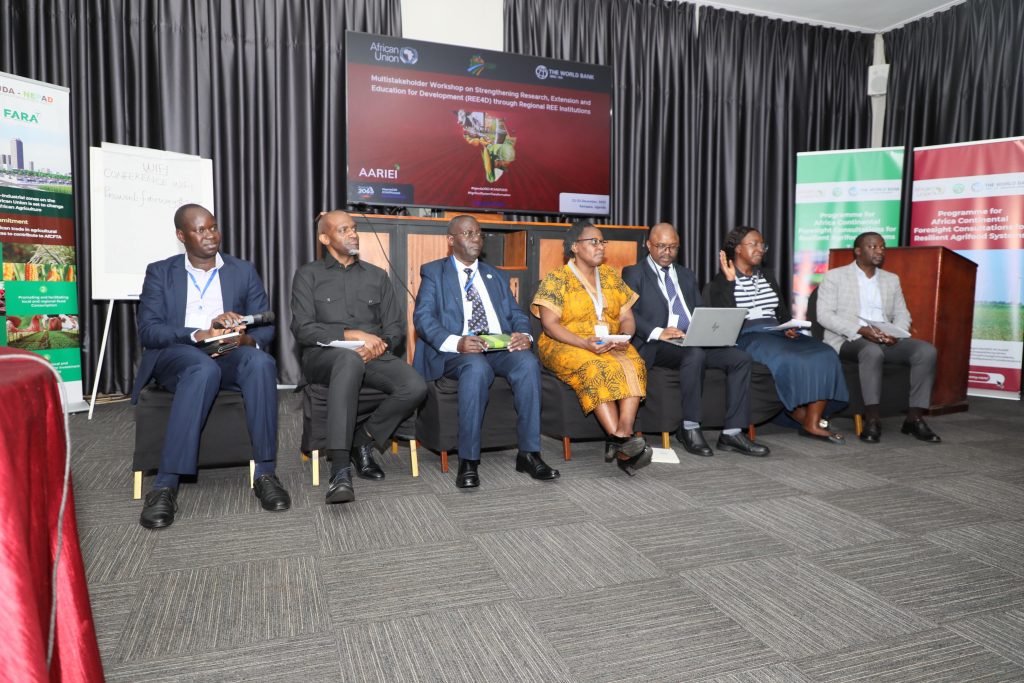
Mr Emmanuel Okalany of RUFORUM called for a structured framework that clarifies responsibilities and aligns institutional mandates. He highlighted RUFORUM’s commitment to ensuring student research responds to continental priorities and emphasised the importance of accountability to the African Union, alongside enterprise and entrepreneurship training to translate research into agribusiness solutions. CORAF’s Senior Scaling Specialist,Dr Caroline Sobgui, stressed the need to move away from siloed approaches and embed CAADP achievements fully within the FSRP to ensure continuity and scale. Mr Paul Ochuna of the Eastern Africa Grain Council (EAGC) emphasised the importance of harmonised information platforms, scaled-up partnerships, and market-focused platforms, such as agribusiness expos, to link researchers, seed companies, and farmers while facilitating trade.
A dedicated session on knowledge systems and digitisation under CAADP-XP4 showcased platforms and tools used by FARA, ASARECA, CCARDESA, CORAF, and AFAAS, highlighting digital advisory services, interoperable knowledge platforms, communities of practice, and virtual learning systems. Discussions emphasised that digitisation and knowledge management must be treated as core system functions, supported by shared standards and strong governance, to ensure seamless integration into FSRP implementation. Mr Anselme Vodounhessi, Coordinator of the Common African Agro-Parks (CAAPs) Programme and Monitoring & Evaluation Expert at FARA, introduced the AfricAgriTradeLink Programme, examined resource mobilisation and investment pathways, and identified anchor pipelines and public–private partnership opportunities to sustain R-E-D initiatives beyond project cycles.
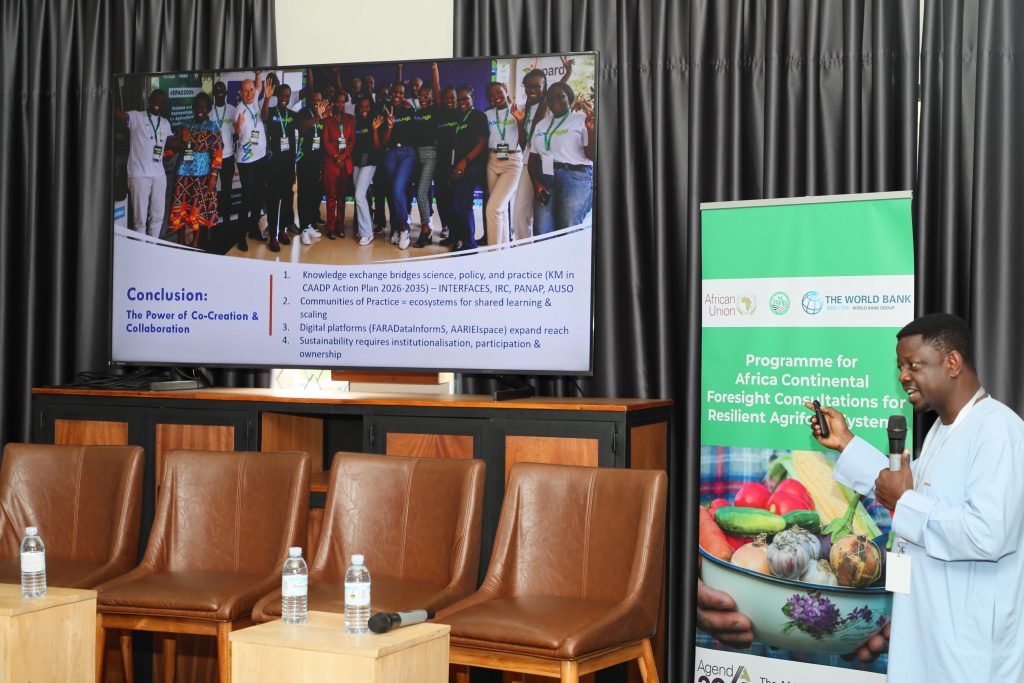
The workshop concluded with the presentation of key outputs and the endorsement of the R-E-D Communiqué to the African Union. Participants reaffirmed their collective commitment to transparency, accountability, and coordinated action, agreeing that Africa’s agricultural transformation will depend on integrated systems that connect research, extension, education, markets, policy, and farmers at scale.


Leave A Comment