


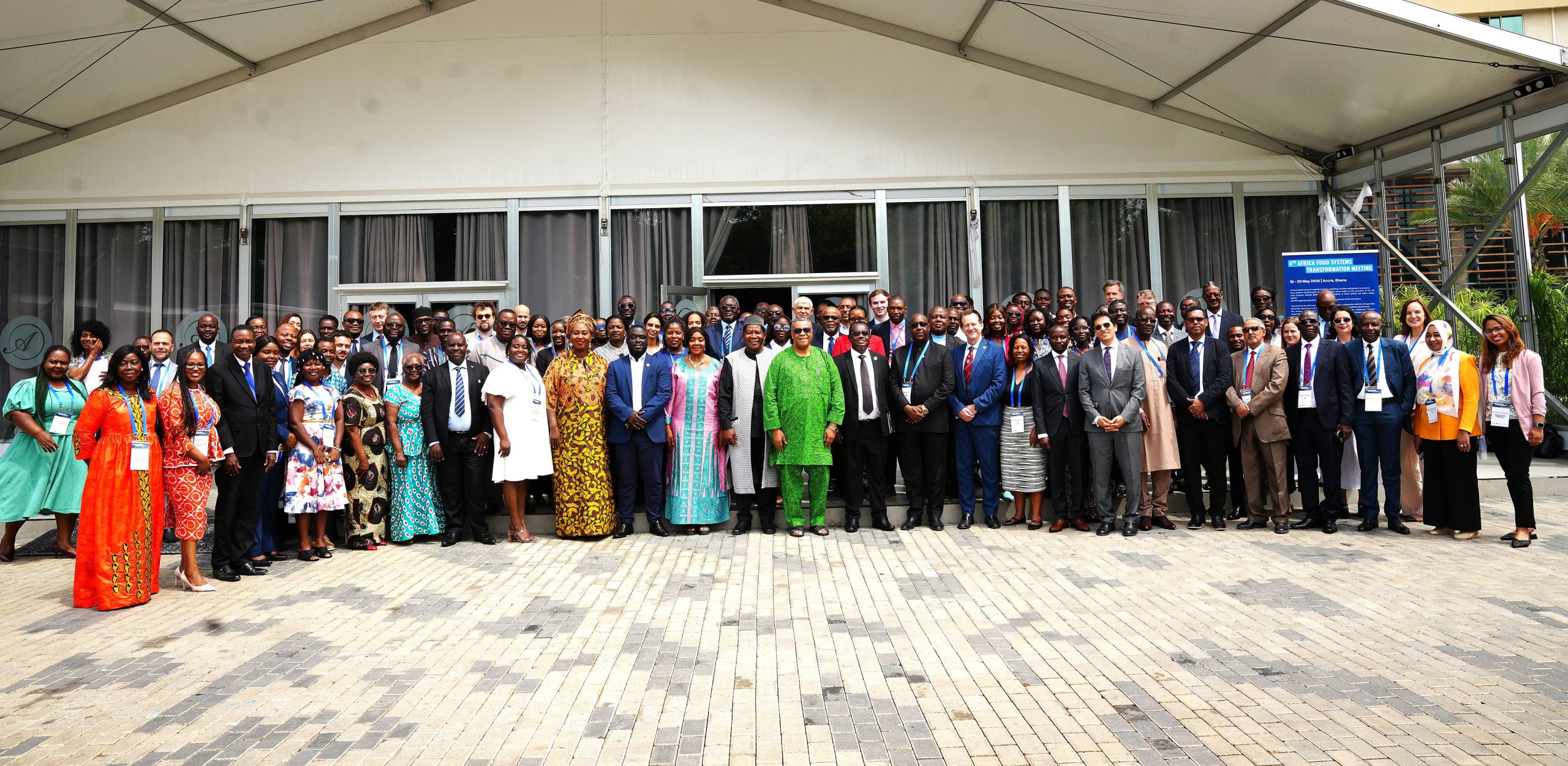
As Africa confronts the challenge of feeding a projected population of nearly 2.5 billion people by 2050, the Forum for Agricultural Research in Africa (FARA) has called for a shift from reactive food systems management toward anticipatory governance systems capable of helping institutions prepare for long-term risks, uncertainties, and structural transformation.
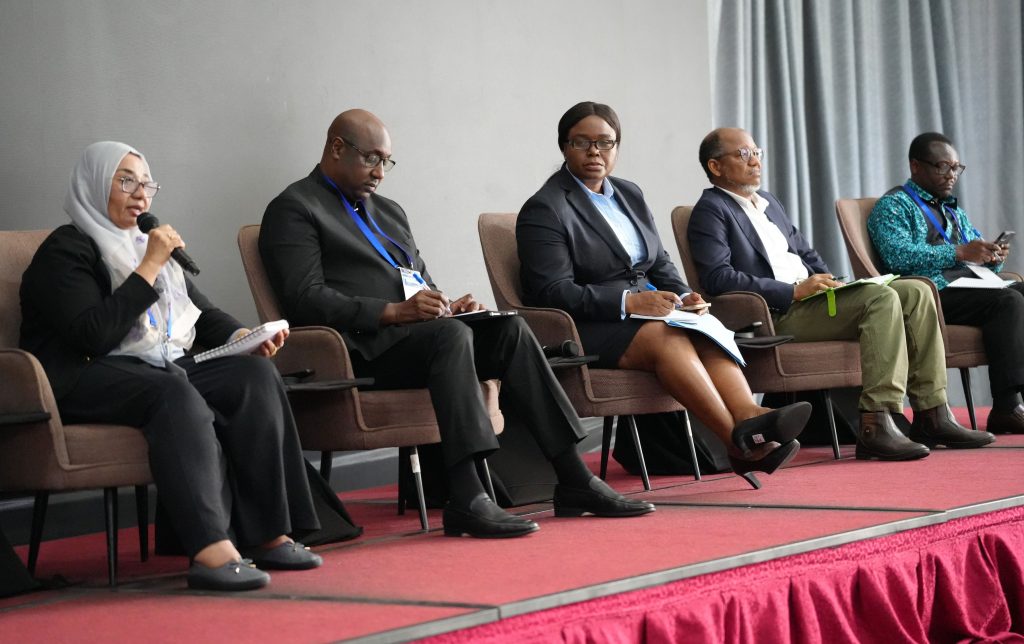
Speaking during the High-Level Roundtable on Science, Innovation, and Data for Food Systems Transformation at the 4th Africa Regional Food Systems Transformation Meeting in Accra, Ghana, Dr. Abdulrazak Ibrahim, Cluster Leader for Institutional Capacity and Future Scenarios (ICF) at FARA, highlighted the ongoing strategic foresight study titled “How Will Africa Feed 2.5 Billion by 2050?” being implemented by FARA in collaboration with the United Nations Food Systems Coordination Hub under a broader continental effort to strengthen evidence-based decision-making, anticipatory governance, and CAADP implementation across Africa.

Dr. Abdulrazak Ibrahim, Cluster Leader for Institutional Capacity and Future Scenarios (ICF) at FARA
The study, commissioned by the African Union Food Systems Envoy and supported through the EU-funded “Accelerating Food Systems Transformation through a Scalable Success Model” initiative, examines the structural barriers, leadership choices, and transformation pathways shaping Africa’s agrifood systems toward 2050. It applies horizon scanning, political-economy and institutional diagnostics, systems thinking, stakeholder consultations, and scenario development to assess how different policy and investment choices under CAADP could shape future agrifood outcomes across the continent.
Dr. Ibrahim noted that the study builds on the momentum generated during the December 2025 Nairobi consultation, which brought together AU institutions, Member States, Regional Economic Communities (RECs), and partners to co-design a continental foresight system aligned with CAADP. The consultation validated a roadmap for integrating foresight into policymaking, investment planning, and anticipatory governance processes within Agenda 2063 and CAADP implementation frameworks.
He stressed that Africa’s food systems challenges can no longer be addressed through reactive crisis management, fragmented interventions, and short political cycles.
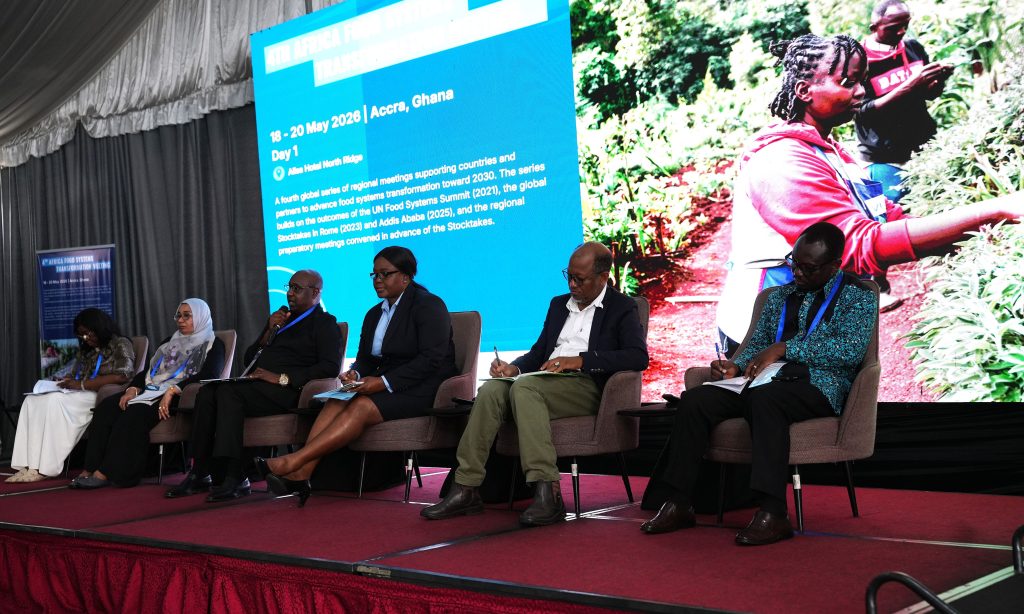
According to Dr. Ibrahim, feeding Africa’s growing population under conditions of climate uncertainty, ecological stress, market volatility, demographic expansion, and geopolitical disruptions will require institutions capable of anticipating disruption, governing complexity, detecting risks early, and supporting coordinated action before crises escalate.
The intervention aligned closely with the broader African Union position articulated by H.E. Moses Vilakati on the importance of institutionalising foresight and anticipatory governance as foundational pillars for food systems transformation, resilience building, and CAADP domestication.
He also highlighted FARA’s broader work with Sub-Regional Research Organisations (SROs) through the Africa Foresight Academy (AFA) to strengthen African capacities in foresight, strategic intelligence, and evidence-based policymaking. Through this growing continental foresight ecosystem, activities have engaged stakeholders across more than 45 countries, supported over 200 institutions, and strengthened the capacities of more than 2,000 professionals in foresight tools and systems approaches.
The organisation further referenced the continental guide on quality foresight for food systems transformation, developed to support rigorous, participatory, policy-relevant, and actionable foresight processes capable of moving institutions beyond one-off studies toward sustained foresight systems embedded within governance and planning processes.
Dr Ibrahim further emphasised that while Africa has generated significant innovation in agriculture and food systems, including climate-smart technologies, resilient seed systems, biotechnology applications, digital advisory platforms, and sustainable land management practices, major constraints remain in scaling innovation due to weak financing systems, fragmented partnerships, weak science-policy interfaces, and limited institutional coordination.
He also highlighted the growing importance of integrated data systems, AI-enabled agricultural analytics, geospatial intelligence, climate-risk modelling, early warning systems, and digital extension services in strengthening evidence-based policymaking and improving resilience to future food systems shocks.
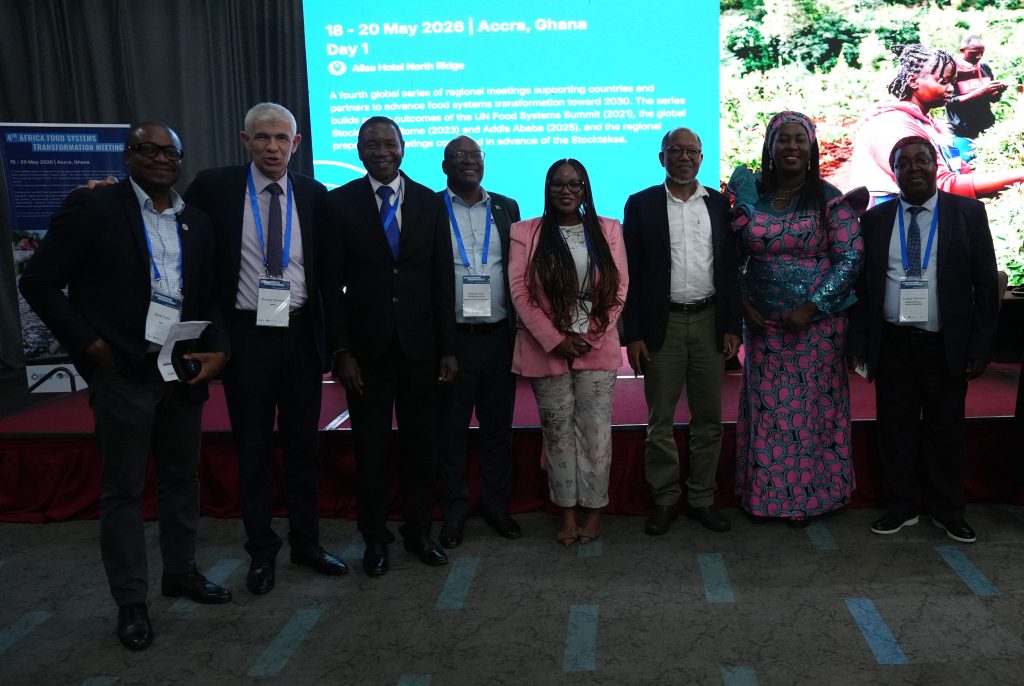
He reiterated FARA’s consistent call for stronger coordination among governments, research institutions, regional bodies, private-sector actors, development partners, and non-state actors to build integrated transformation ecosystems capable of delivering sustainable and scalable transformation of agrifood systems across Africa.
He concluded by emphasising FARA’s position that the future of African food systems will depend not only on technological advancement but also on the ability to combine innovation with inclusion, local intelligence, indigenous knowledge systems, and institutional resilience.


Leave A Comment