


By Juliet ETEFE
African governments, research institutions and development partners have been urged to accelerate efforts to mainstream opportunity crops into food systems as part of broader strategies to improve food security and strengthen climate resilience.
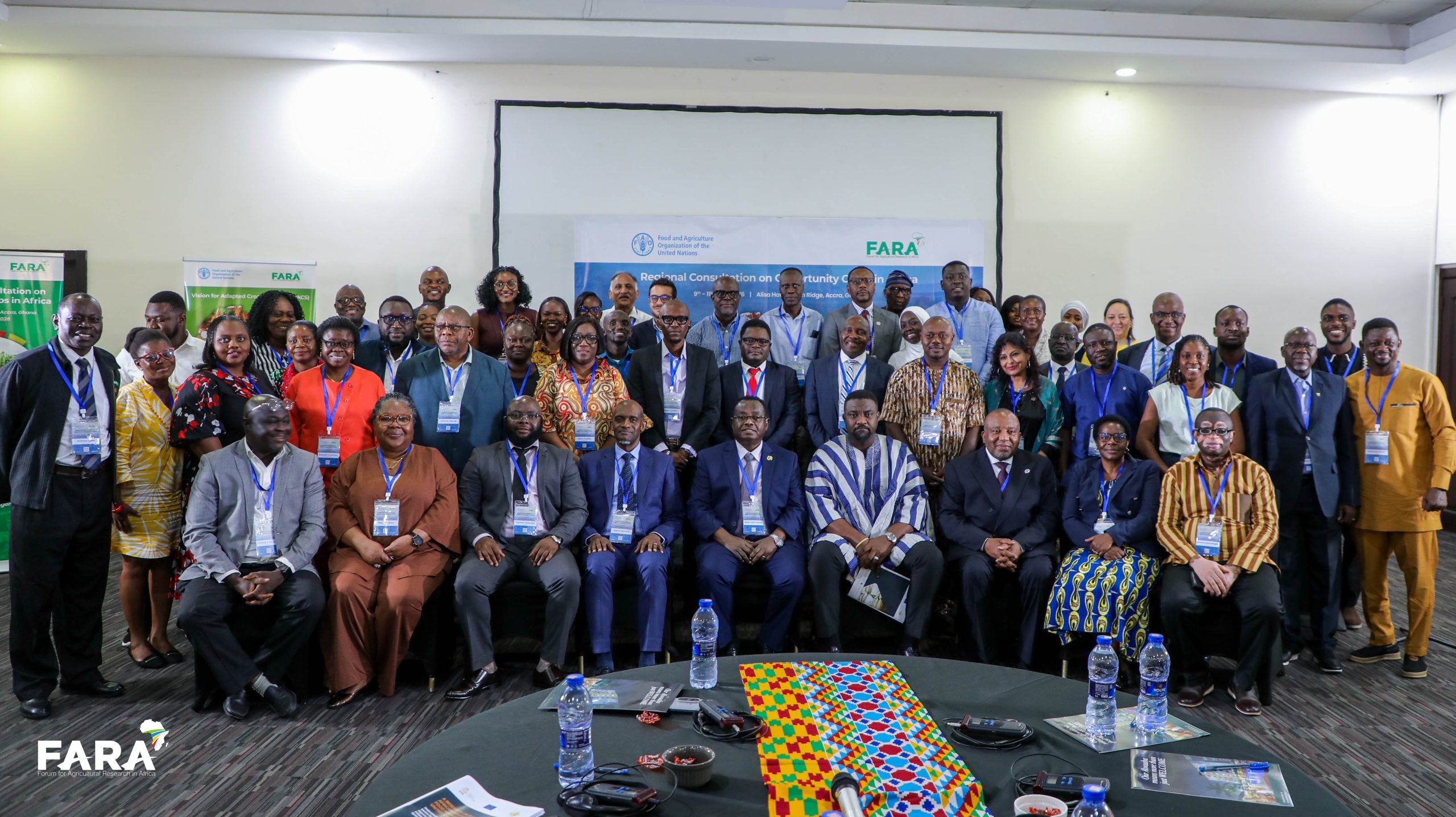
The call was made at the opening of the Regional Consultation on Opportunity Crops in Africa, jointly organised by the Food and Agriculture Organisation of the United Nations (FAO) and the Forum for Agricultural Research in Africa (FARA) in Accra.
The three-day consultation brought together policymakers, researchers, development partners, private-sector actors and farmer organisations to develop a regional roadmap for integrating neglected and underutilised crops into Africa’s agrifood systems.
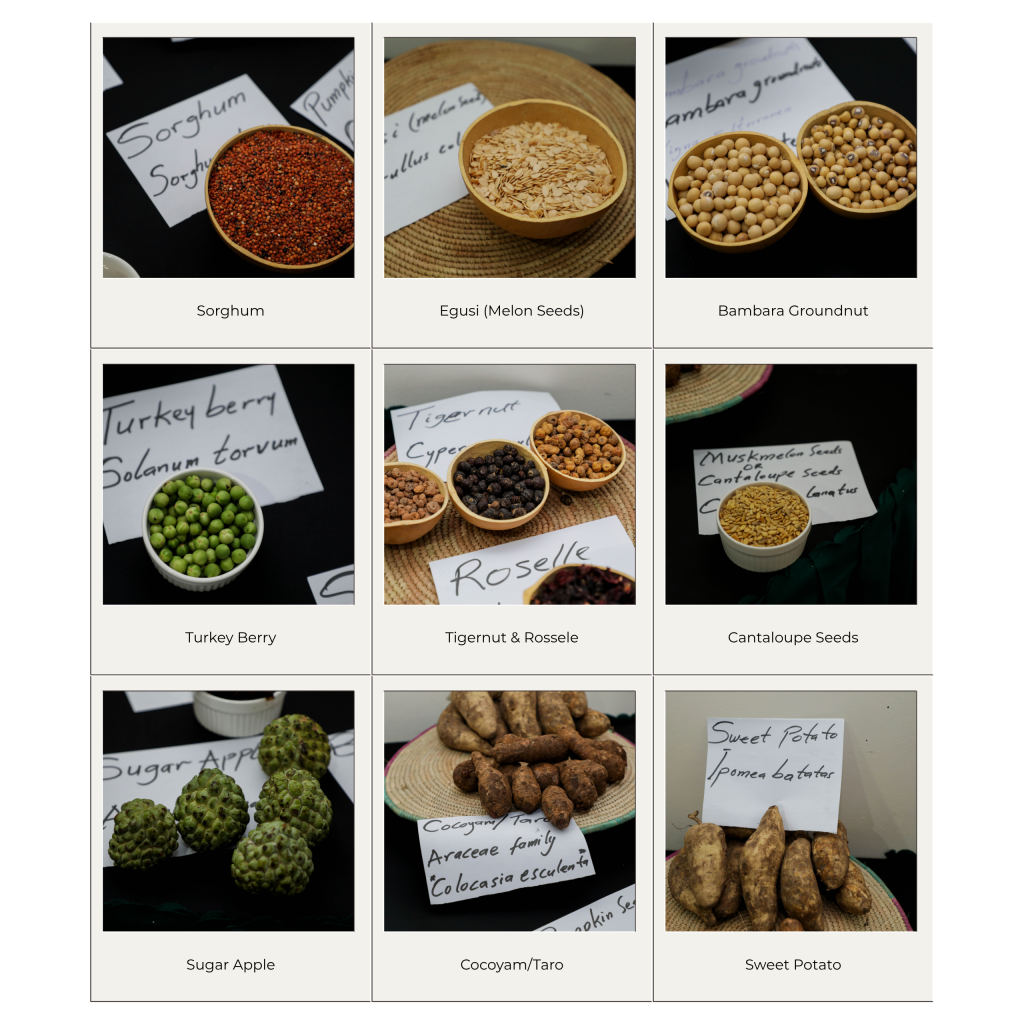
A few Opportunity Crops on display at the Regional Consultation Meeting
The meeting forms part of broader continental efforts to elevate indigenous and underutilised crops that have received limited attention despite their nutritional value, climate resilience and potential contribution to food security.
These include fonio, bambara groundnut, millet, sorghum landraces, baobab, amaranth and a range of indigenous vegetables adapted to Africa’s diverse agroecological conditions.
Executive Director of FARA, Dr. Aggrey Agumya, said Africa’s rich but neglected crop diversity must be placed at the centre of efforts to build resilient food systems, improve nutrition and create sustainable livelihoods.
He noted that while attention to these crops has grown over the years, the objective of unlocking their contribution to sustainable food systems remains unchanged.
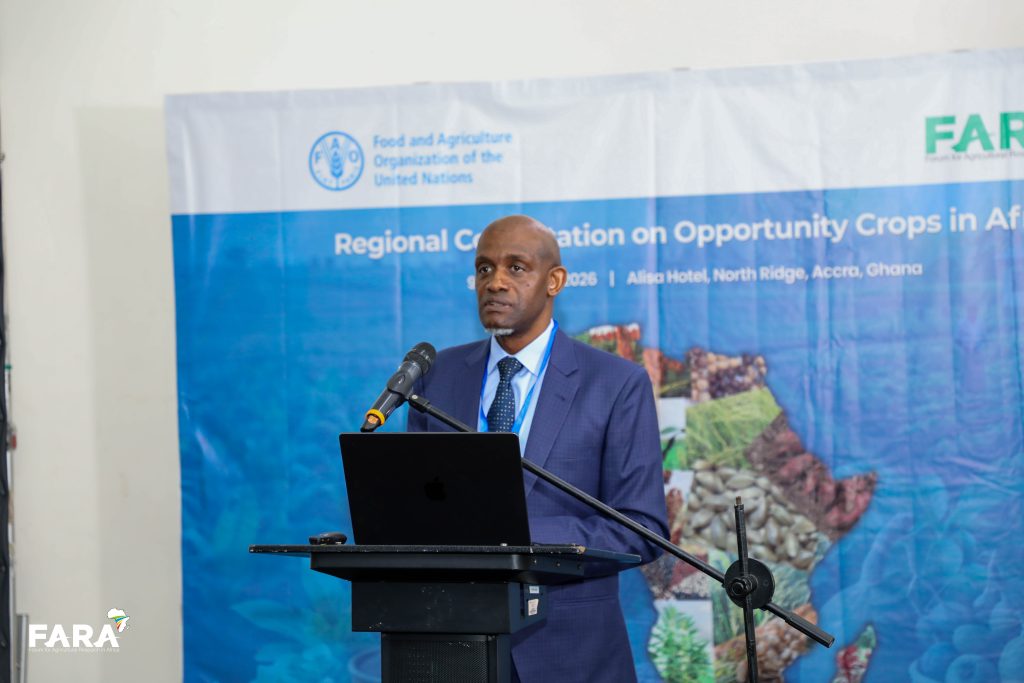
Dr. Aggrey Agumya, Executive Director, FARA
Dr. Agumya stressed that science must underpin efforts to transform the crops into commercially viable enterprises through investments in seed development, agronomy, mechanisation, nutrition research and market expansion.
“Science provides the bridge that transforms these crops from being locally admired to becoming globally competitive, from subsistence commodities to profitable enterprises,” he stated.
He further argued that opportunity crops could create new opportunities for Africa’s growing youth population through entrepreneurship in seed systems, precision farming, agro-processing, food innovation and nutraceuticals.
Deputy Minister for Food and Agriculture, John Setor Dumelo, said indigenous and traditional crops offer significant potential to address some of Africa’s most pressing development challenges despite receiving limited attention in research, policy and commercial agriculture.
According to him, crops such as fonio, millet, sorghum landraces, bambara groundnut and indigenous vegetables can contribute to healthier diets, biodiversity conservation and inclusive rural development.
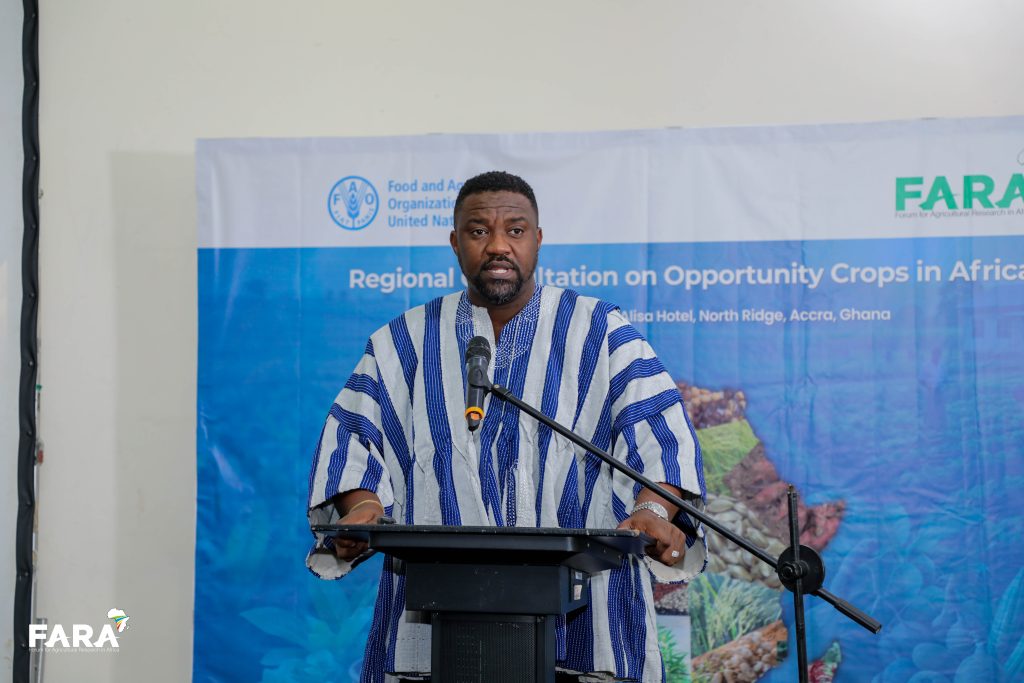
Hon. John Setor Dumelo, Deputy Minister for Food and Agriculture, Ghana
“Our experience confirms that opportunity crops are not just simple crops, they are crops for the future. They represent an opportunity to build food systems that are more diverse, more resilient, more inclusive and better adaptive to realities of climate change,” he said.
Mr. Dumelo highlighted Ghana’s efforts to advance research on underutilised crops through the Council for Scientific and Industrial Research (CSIR).
Also, the implementation of the FAO-supported project, Support to Women Fonio Value Chain Actors in Ghana, aimed at transforming fonio into a commercially viable value chain capable of competing with major staple crops such as rice and maize.
The Deputy Minister said governments, research institutions, development partners and the private sector must work together to strengthen policies, investments and markets while ensuring that women and young people benefit from emerging opportunities in the sector.
Assistant Director-General and Regional Representative for Africa at FAO, Dr. Abebe Haile-Gabriel, said opportunity crops should be viewed as strategic assets rather than relics of Africa’s agricultural heritage.
He observed that the continent continues to grapple with a triple burden of malnutrition, climate change and biodiversity loss despite progress in agricultural production.
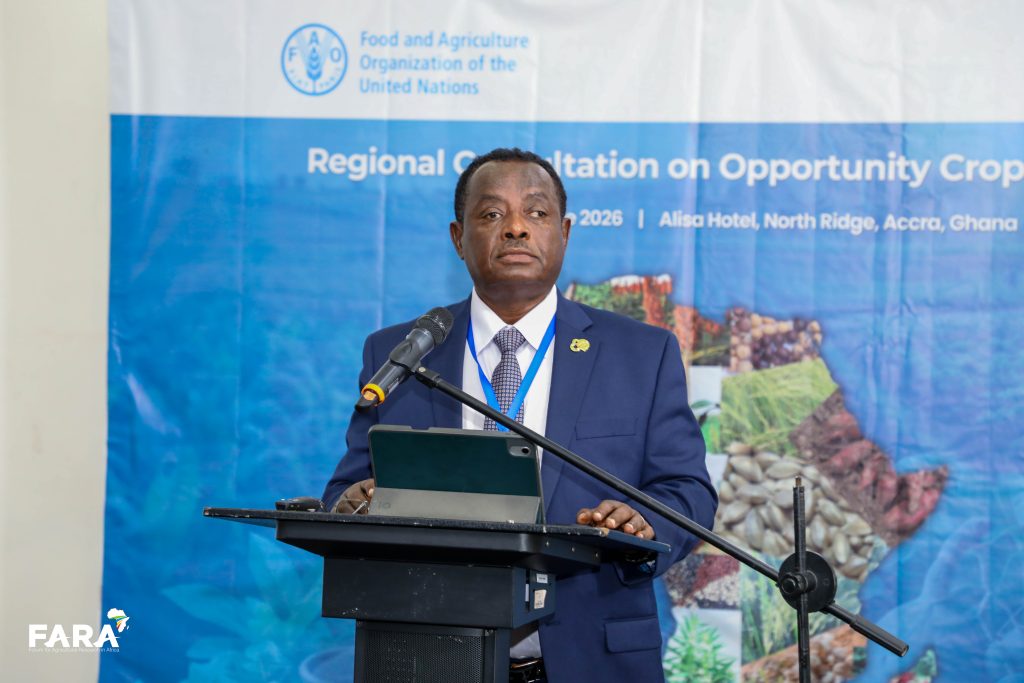
Dr. Abebe Haile-Gabriel, FAO Assistant Director-General and Regional Representative for Africa
“These challenges call for a fundamental shift in how we think about agricultural systems, not simply producing food, but producing and consuming foods that are nutritious, resilient, diverse, affordable and culturally appropriate,” he said.
Dr. Haile-Gabriel noted that many indigenous crops are rich in essential nutrients and naturally adapted to drought, heat stress, poor soils and erratic rainfall, making them critical for building resilient food systems.
He said unlocking their full potential would require sustained investment across the value chain, from research and seed systems to processing and market access.
Also speaking at the consultation, FAO Plant Production and Protection Division official Dr. Chikelu Mba warned that Africa’s food systems remain vulnerable despite the continent’s rich agricultural biodiversity.
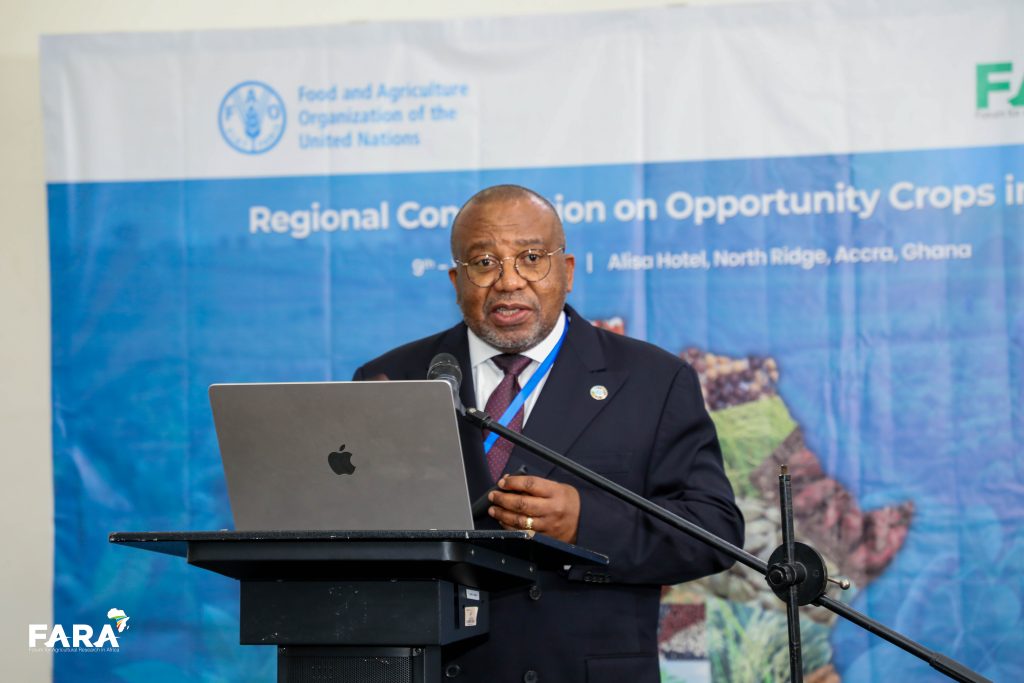
Dr. Chikelu Mba, FAO Plant Production and Protection Division
He noted that nine crops currently account for about 66 percent of global crop production, despite the existence of approximately 30,000 edible plant species worldwide.
“Our native foods matter because, as has been mentioned, the high nutrient density, climate resilience, possibility for economic empowerment,” he said.
He urged African countries to strengthen policies, investment and partnerships to support the conservation and commercialisation of opportunity crops.


Leave A Comment