


Who I Am: An Early Career Scientist with a Mission
I am Dr. Ethelyn Echep Forchibe, an early career scientist, Entomologist, researcher and educator who leverages advanced training from diverse international institutions to drive agricultural innovation across Africa. My work is deeply rooted in integrated crop protection, sustainable pest management, and biodiversity conservation. I am equally passionate about empowering and mentoring the next generation of agricultural scientists; thus, I serve as a lecturer at The University of Bertoua (Higher Institute for Agriculture, Wood, Water Resources and the Environment – ISABEE) and the Catholic University of Cameroon, Bamenda (School of Tropical Agriculture and Natural Resources – STANR).
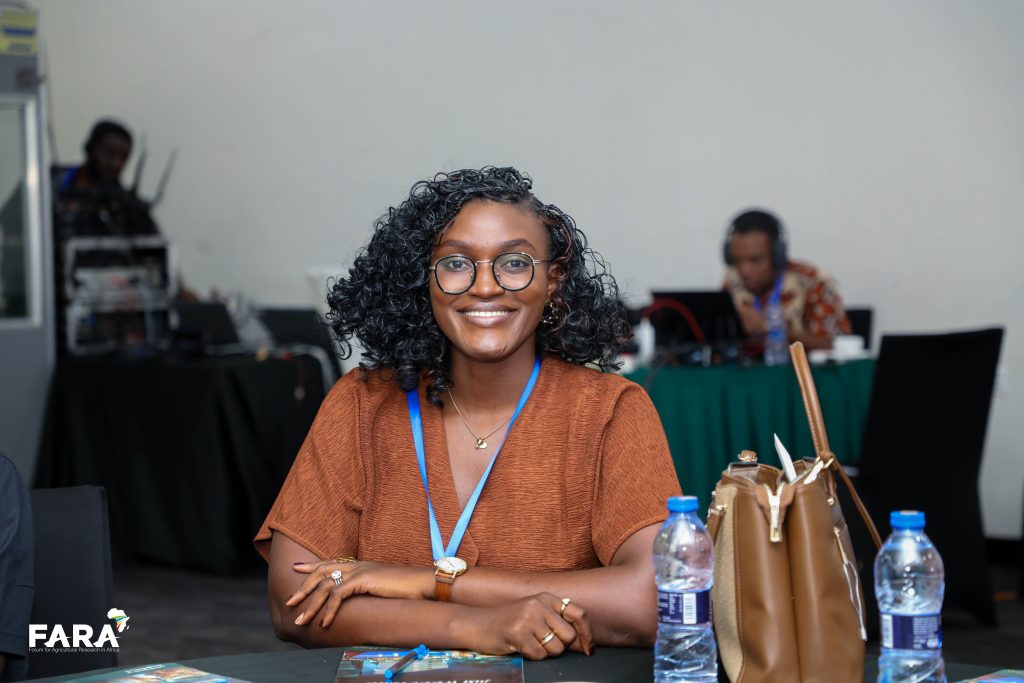
Beyond the lab, my perspective is shaped by my role as an agribusiness entrepreneur dedicated to processing indigenous foods, to ensure that my scientific findings translate directly into practical, real-world food systems.
The Spark: A Mentorship Built on Indigenous Foods
My journey to the continental stage in Accra truly began a few years ago. In 2023, driven by a desire to bring traditional crops back into the spotlight, I together with Dr. Nkafu Therese organized a DAAD-Alumni seminar titled “African forgotten foods: should we eat local?” I was honored to have Prof. Wole Fatunbi, the Director of Research and Innovation at the Forum for Agricultural Research in Africa (FARA), join as our key speaker. Prof. Fatunbi has been an incredible mentor to me since my Master’s degree, providing steadfast guidance that has continuously yielded fruit in my professional life. True to his mentorship, he reached out to follow up on my progress in the underutilized species sector. Impressed by my ongoing findings, he personally extended an invitation for me to present our recent research at a major continental gathering in Ghana.
The Selection: From Invitation to the Big Stage
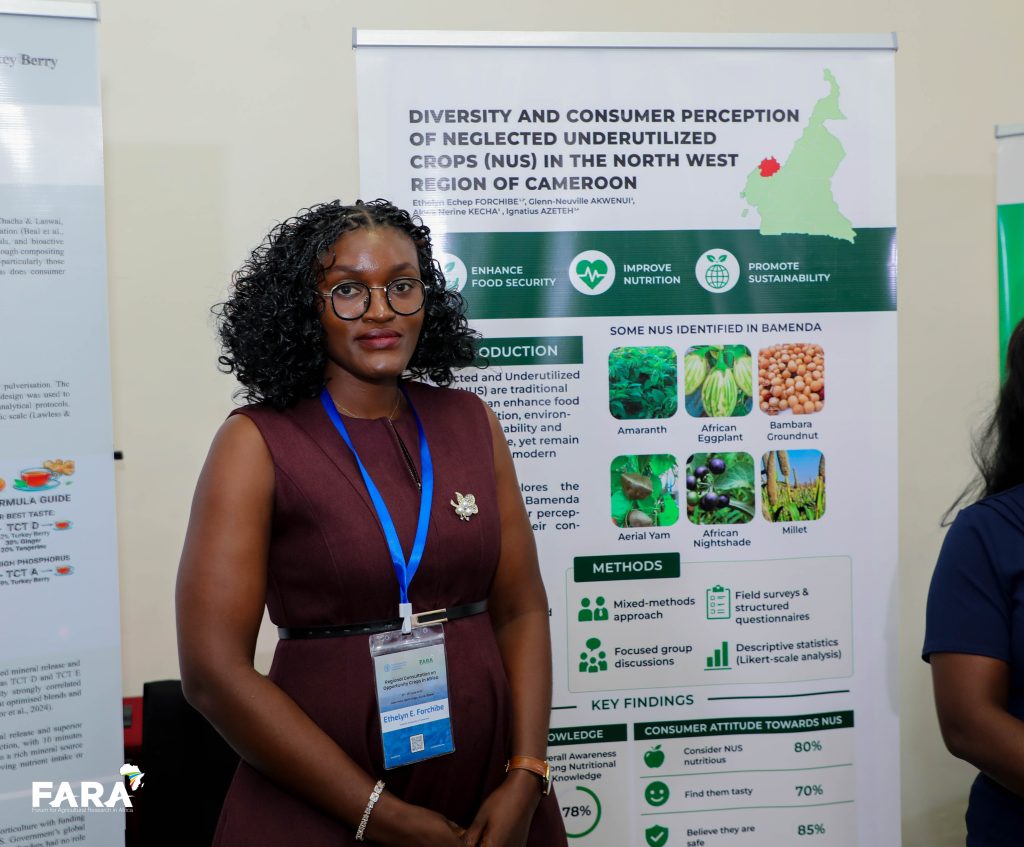
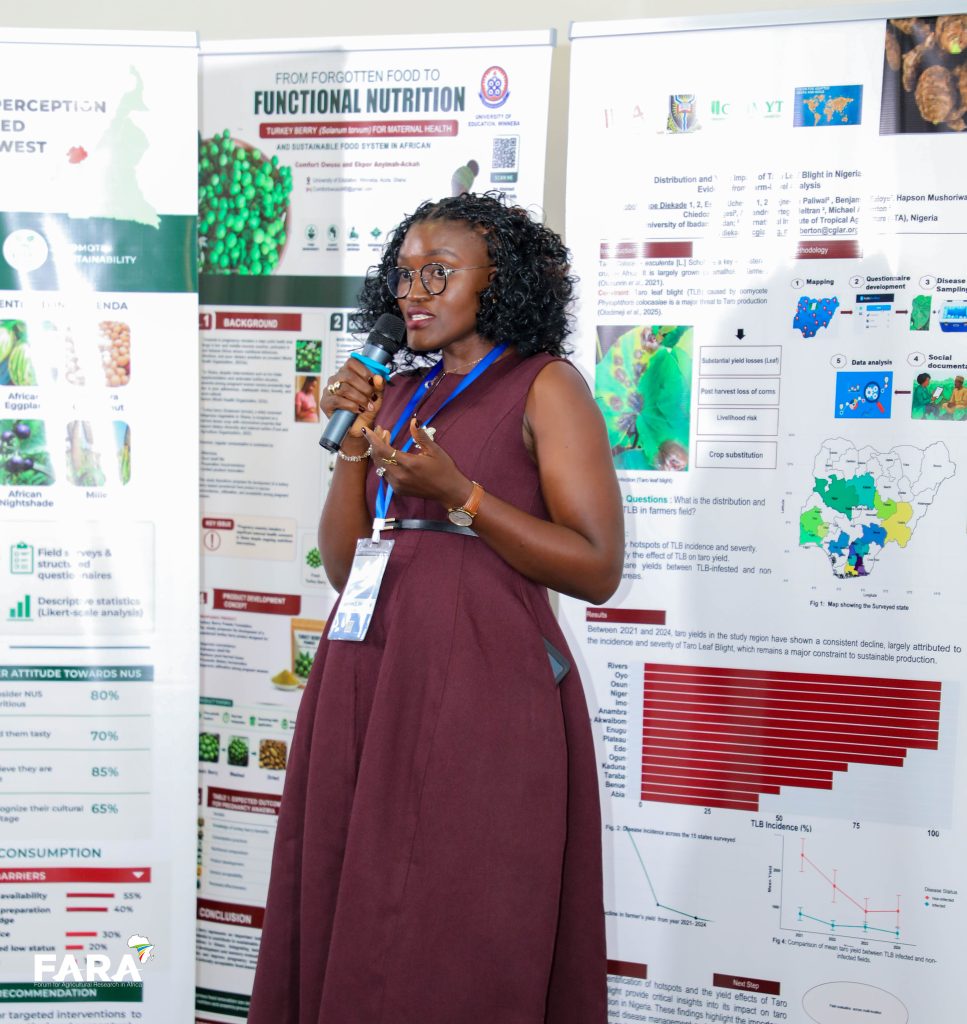
Thanks to that recommendation and the relevance of our research, I received an official, fully sponsored invitation from FARA and the Food and Agriculture Organization (FAO) of the United Nations to attend the Continental Conference on the Integration of Neglected and Underutilized Crop Species into the Food System in Africa, held from June 9–11, 2026, at the Alisa Hotel in Accra, Ghana. I was selected to make a scientific intervention under the young professionals’ poster session, and my poster theme was: Diversity and consumer perception of Neglected and Underutilise Crop Species (NUS) in the North West Region of Cameroon. The challenge was exhilarating: having to condense our intensive field research into a single poster and deliver a high-stakes, rapid-fire 5-minute pitch to a room of leading experts.
The Experience: High-Level Synergy in Accra
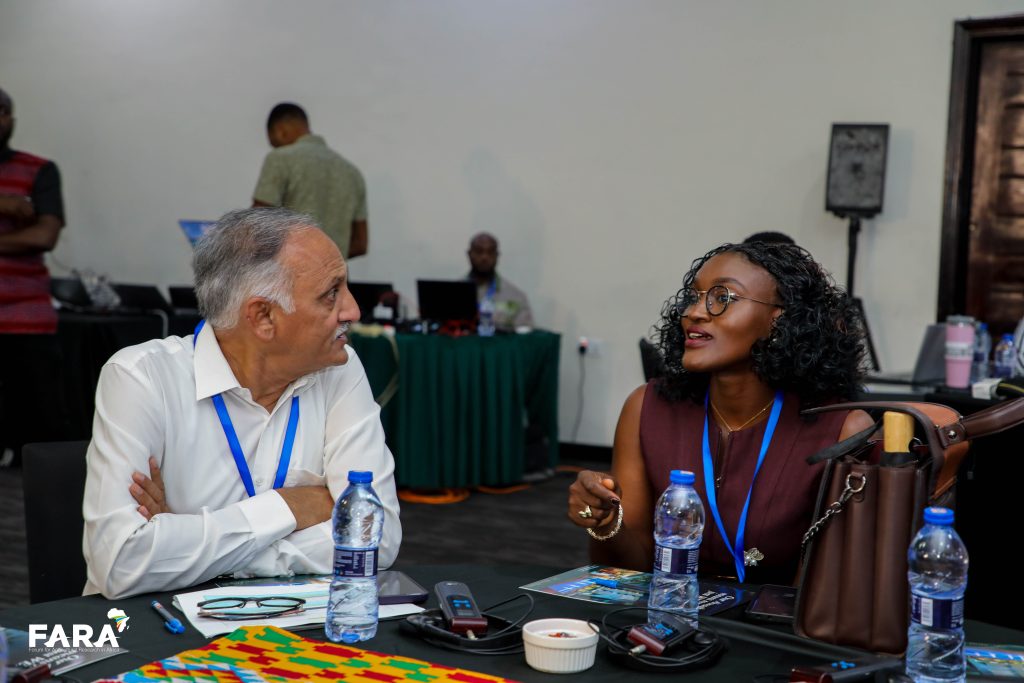
Arriving at the Alisa Hotel, the atmosphere was charged with a shared urgency and purpose. The event brought together high-level agri-food leaders, policy makers, and scientists from all corners of the continent, all focused on a critical mission: halting rapid genetic loss and mainstreaming Neglected and Underutilized Species (NUS) to secure climate resilience and food security. Participating in this hybrid, multilingual forum allowed me to engage deeply with the current continental situation of NUS, regional roadmaps and policy frameworks. Reviewing national value chains, cultivation strategies alongside brilliant minds from both English and French-speaking delegations was an unforgettable masterclass in cross-border scientific collaboration.
The Award and Way Forward: A Validation and a Vision
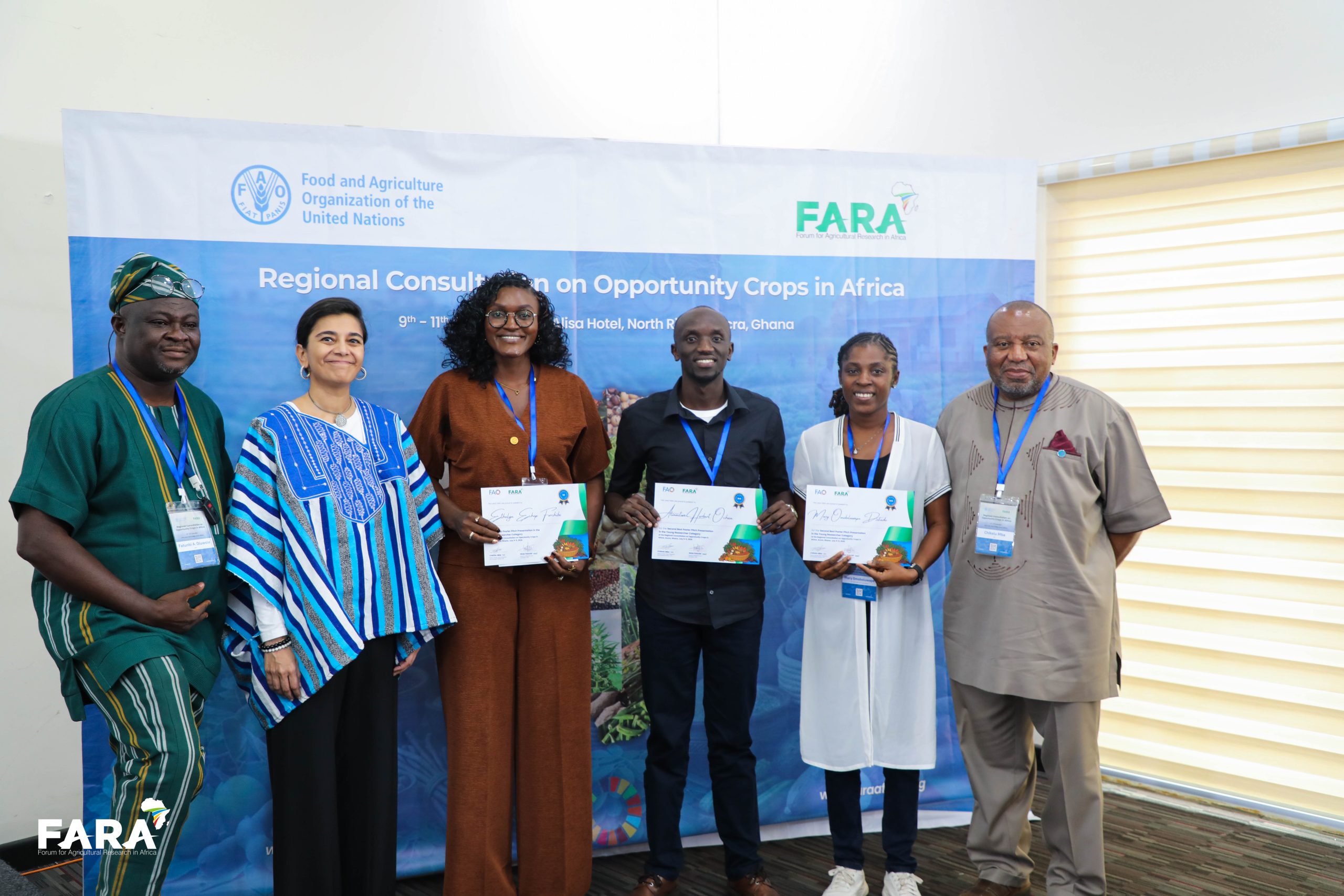
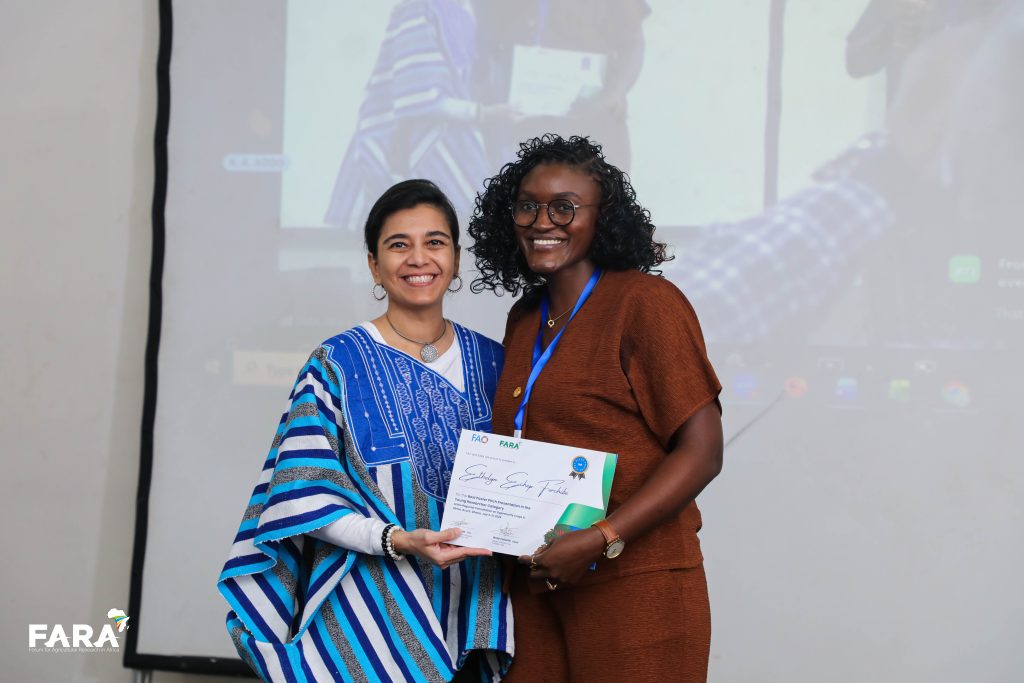
The absolute pinnacle of the conference came during the awards ceremony. I am incredibly proud to share that I was awarded 1st Place for the Best Poster Pitch Presentation in the Young Researcher Category. Receiving a certificate signed by leaders from both the FAO and FARA including Prof. Fatunbi himself was a deeply validating moment for my research path. While our study highlighted important insights regarding NUS, overall awareness of these crops sits at just 33%, heavily restricted by barriers like lack of availability, preparation knowledge and deeply rooted cultural beliefs. This recognition acts as fuel for the journey ahead to address these perceptual and practical barriers. Moving forward, my goal is to expand our research across wider regions and keep advocating for policy makers to incorporate NUS into national agriculture strategies and nutrition policies to build resilient food systems.
My Deepest Appreciation
An achievement like this is never a solo effort, and my heart is full of gratitude: To FARA and the FAO, thank you for the full sponsorship, your trust, and for creating a platform that amplifies the voices of young African researchers. To Prof. Wole Fatunbi, thank you for your years of invaluable mentorship, for believing in my work since my days as a Master’s student, and for opening the door to this incredible milestone. To my co-authors and research team, a massive thank you to Glenn-Neuville Akwenui (my first undergraduate student), Akwa Nerine Kecha, and Dr. Ignatius Azeteh, as well as our field assistants whose hard work during data collection made this insight possible. Above all, I thank my family. Balancing the demands of professional life while serving as a wife and mother is only possible because of your boundless love and unwavering support. This win belongs to all of us!


Leave A Comment