


Forgotten Foods/Opportunity Crops
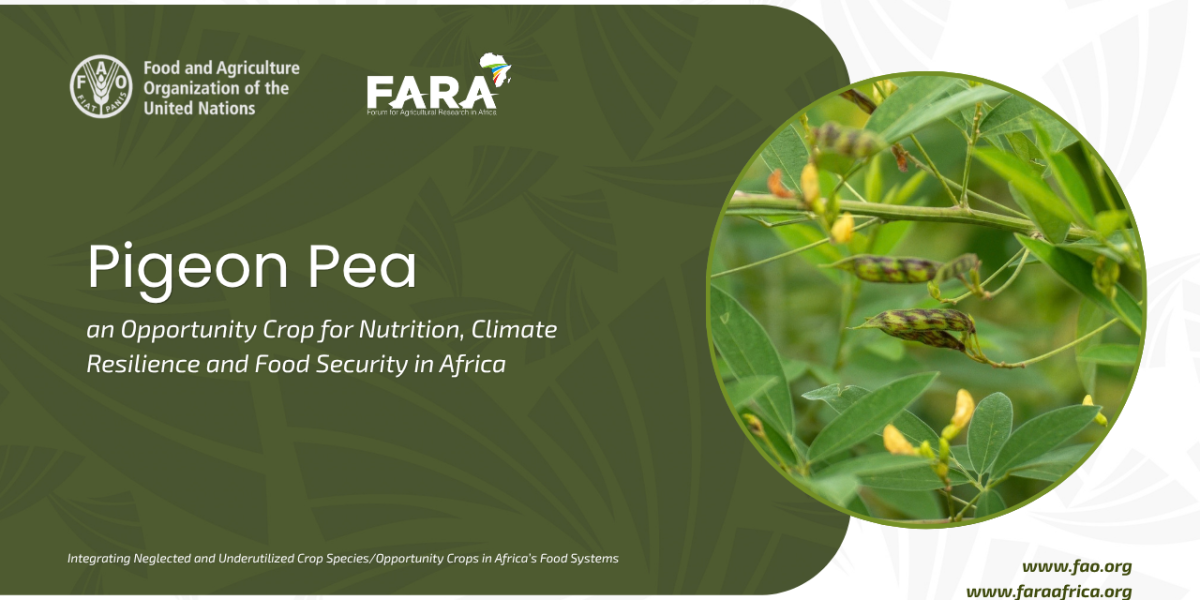
Pigeon Pea: The Legume Africa Shouldn’t Have Forgotten
Some foods disappear because they stop being useful. Others simply become overshadowed. Pigeon pea belongs to the second category. For generations, Cajanus cajan has been grown, cooked, and traded across tropical Africa, yet it rarely receives the attention given to better-known legumes such as soybean and cowpea. That is striking because pigeon pea brings an unusually broad set of qualities
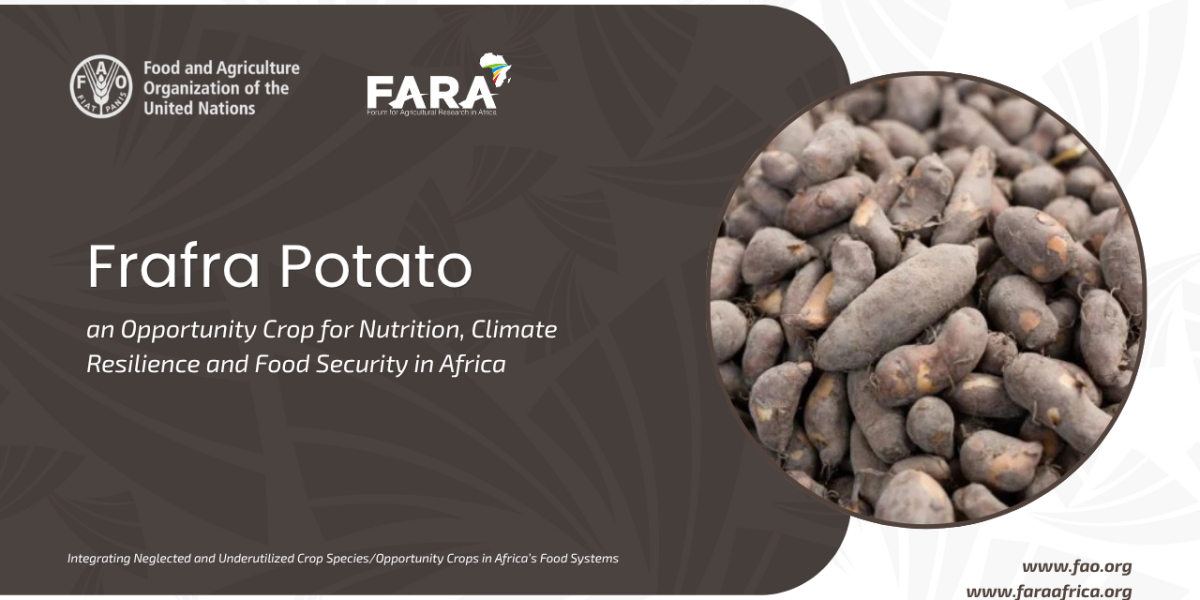
Frafra Potato: More Than Just Another Potato
It looks like an Irish potato. It is cooked like one. But Frafra potato is more than just another potato. It has a story of its own. Known scientifically as Solenostemon rotundifolius, Frafra potato is a tropical African tuber, with particular importance in northern Ghana and other parts of West Africa. It is also cultivated elsewhere in Africa, including parts
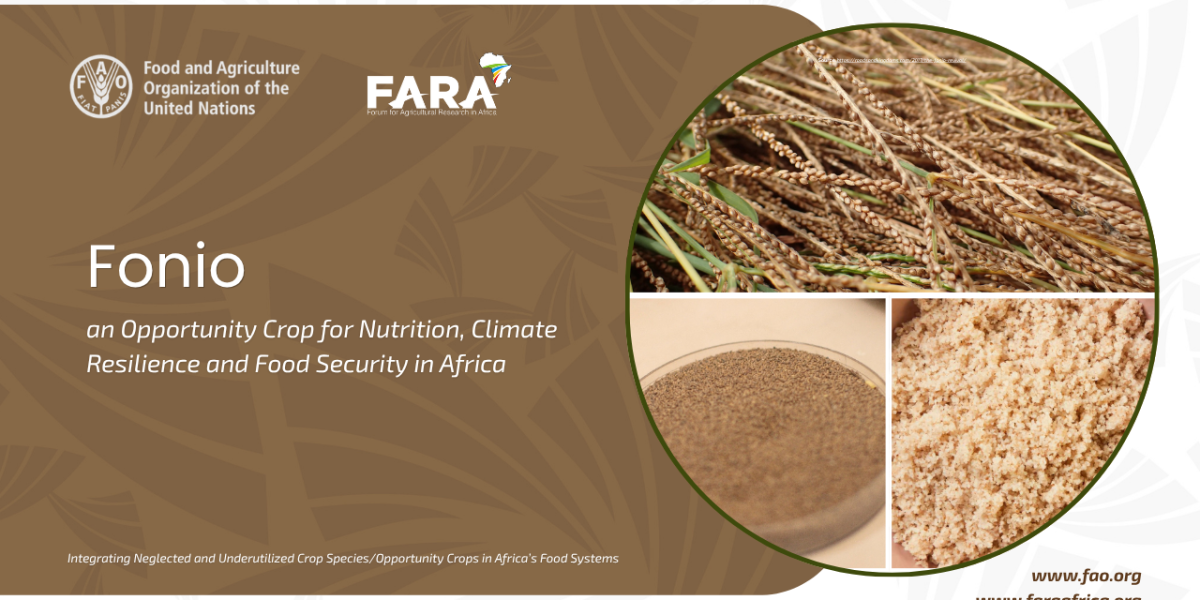
The Tiny Grain with a Big Future: Highlighting Fonio’s Potential in Africa
Meet Fonio (Digitaria exilis), a tiny cereal with a remarkably big story. For generations, communities across West Africa have cultivated and eaten fonio, particularly from Senegal to Chad. Today, this traditional grain is attracting new attention – not because it is new, but because some of the qualities that helped it survive for generations may be exactly what modern food
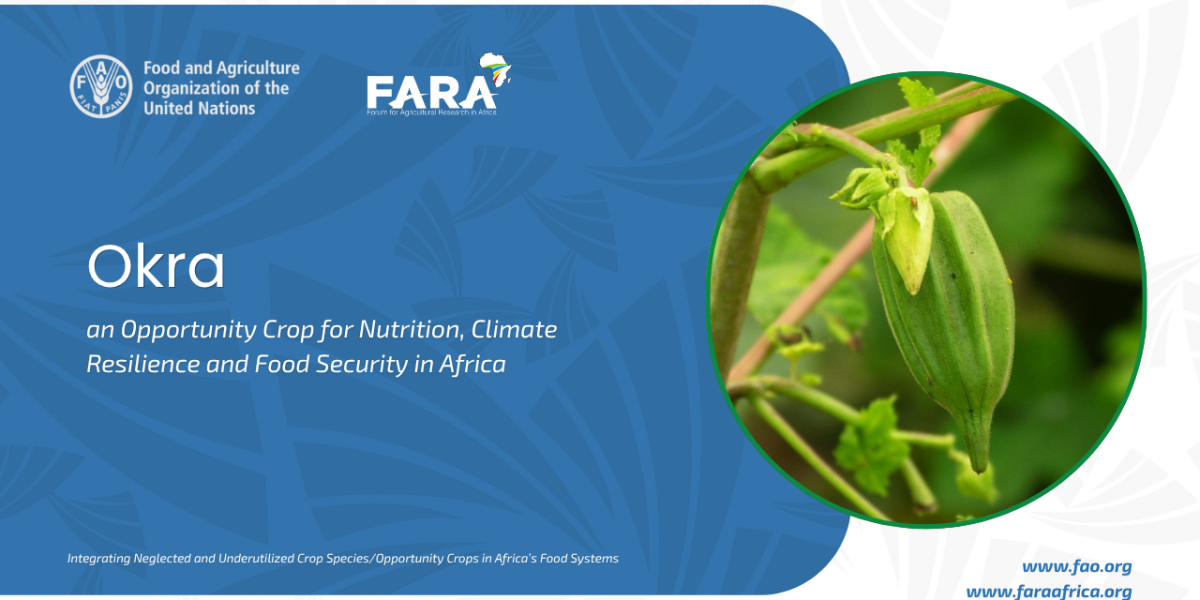
Okra: an Opportunity Crop for Nutrition, Climate Resilience and Food Security in Africa
Okra (Abelmoschus esculentus), also known as ladies’ finger, is a vegetable crop of the Malvaceous family and has several benefits. It is grown widely in tropical, subtropical, and warmer temperate regions including West Africa, South Asia, Southern Europe, and North America. The optimum temperature for growth and development of okra is approximately 24–28°C, and it is widely recognized for its
Like Us On Facebook


Recent Comments