


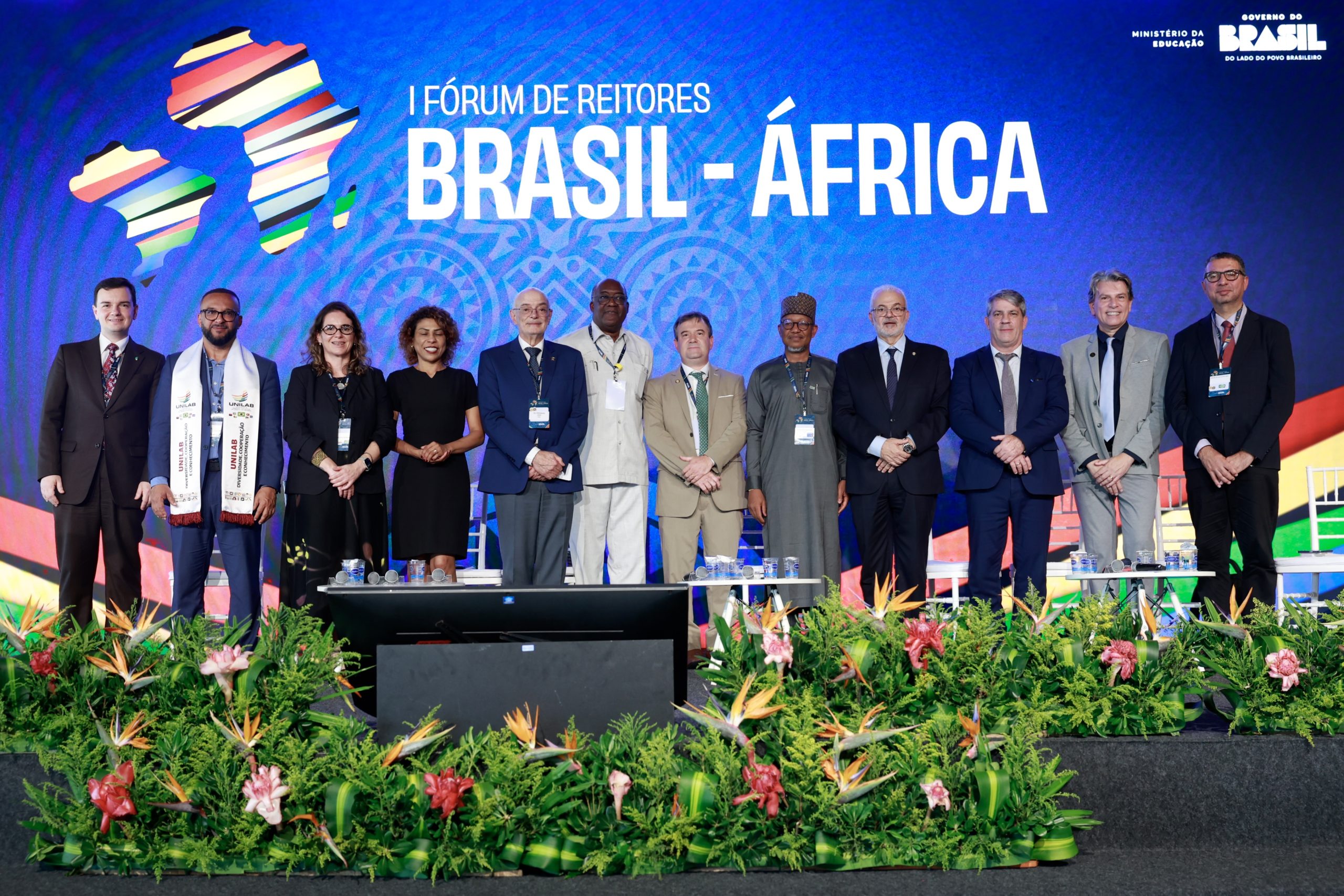
The Forum for Agricultural Research in Africa (FARA) participated in the 1st Brazil–Africa Rectors Forum held in Brasília, Brazil, from 25–27 May 2026, a historic high-level platform reaffirming the strategic importance of Brazil–Africa cooperation in higher education, science, technology, innovation, and sustainable development.
The Forum convened 64 African university rectors from more than 30 African countries alongside over 70 Brazilian university leaders, policymakers, researchers, development institutions, multilateral organizations, and strategic partners. The gathering reflected a shared commitment to strengthening South–South cooperation grounded in solidarity, reciprocity, horizontal partnerships, shared knowledge production, and a common vision for inclusive and sustainable development.
Representing FARA and the broader African Union agricultural research and innovation ecosystem, Dr Abdulrazak Ibrahim, Institutional Capacity for Future Scenarios Cluster Lead Specialist, participated in high-level engagements and panel discussions focused on advancing partnerships between African and Brazilian institutions in agricultural research, biotechnology, food systems transformation, innovation ecosystems, scientific mobility, postgraduate training, and institutional capacity development.
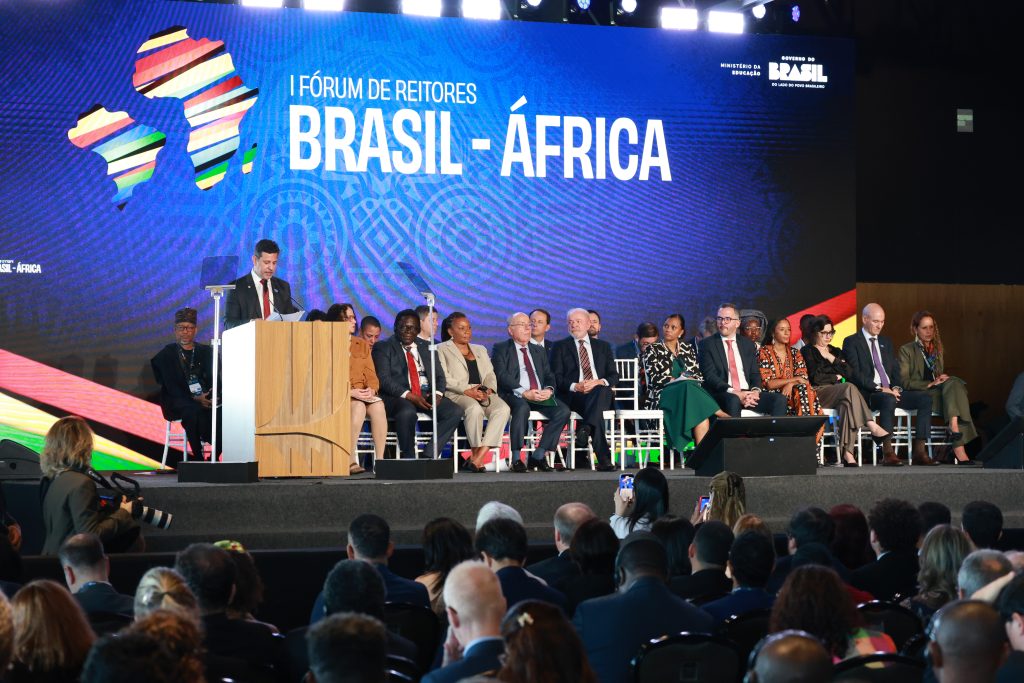
A major highlight of the Forum was the launch of the CAPES Move Africa initiative, through which the Government of Brazil announced an investment of R$47.4 million (approximately US$9.4 million) to support 2,600 scholarship opportunities for African Master’s and PhD students through academic exchange and postgraduate mobility programmes.
The initiative includes:
- 800 Master’s exchange opportunities
- 500 PhD exchange opportunities
- Two rounds of selection totaling 2,600 scholarships
- Academic mobility periods ranging from 2 to 10 months
The Forum underscored the strategic role of universities, science, technology, and innovation as critical pillars for Africa’s and Brazil’s shared development aspirations.
Discussions emphasized the need to strengthen academic and scientific networks, expand physical and virtual mobility, promote collaborative research and innovation, support youth employability and entrepreneurship, and deepen cooperation in priority areas such as tropical agriculture, food security, climate resilience, artificial intelligence, energy transition, blue and green economies, and inclusive innovation ecosystems.
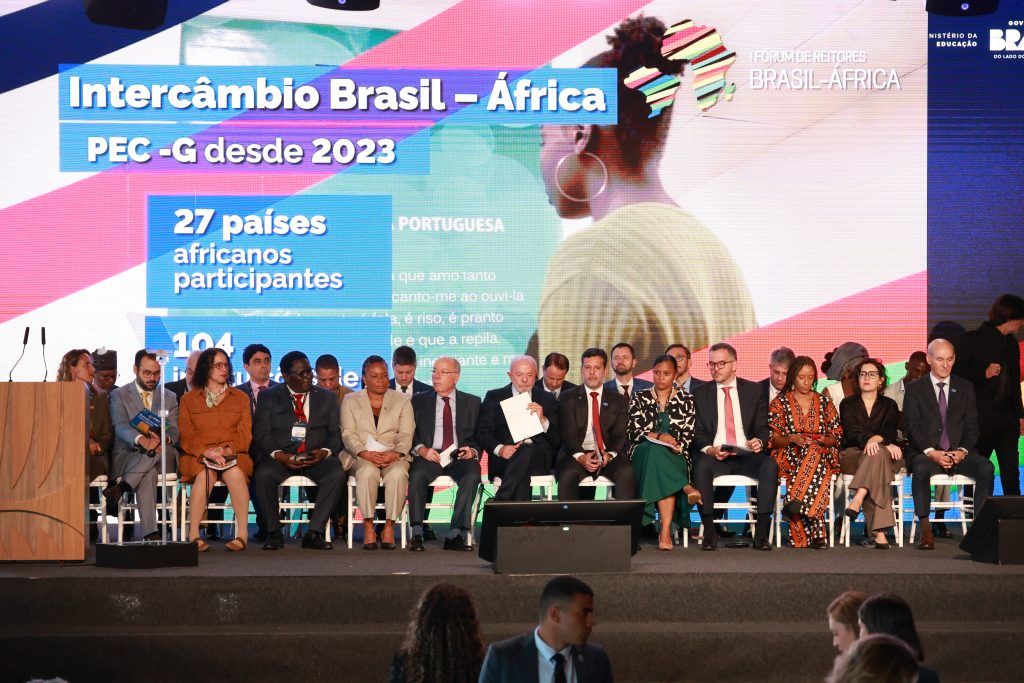
The Forum also provided an important opportunity for engagement with His Excellency President Luiz Inácio Lula da Silva, whose leadership continues to reinforce Brazil’s commitment to strengthening partnerships with African countries in education, science, food security, innovation, and sustainable development.

His Excellency President Luiz Inácio Lula da Silva
Participants reflected on President Lula’s strong reaffirmation of the deep historical, cultural, and human ties linking Brazil and Africa, and his call for renewed collaboration based on mutual respect, shared prosperity, and common development ambitions.
Drawing from his personal experience as a beneficiary of the PEC-PG/CAPES scholarship programme for both MSc and PhD studies in Brazil, Dr. Abdulrazak Ibrahim highlighted the transformative impact of sustained Brazil–Africa scientific cooperation and the importance of long-term investment in Africa’s next generation of scientists, innovators, researchers, and institutional leaders.
Dr. Ibrahim also reflected on his scientific engagement in Brazil, including research collaboration with EMBRAPA, globally recognized for its leadership in tropical agricultural research and innovation. He emphasized that Brazil’s remarkable transformation in tropical agriculture offers valuable lessons for Africa in areas such as seed systems, biotechnology, climate-smart agriculture, innovation delivery, agribusiness development, and agricultural modernization.
He further emphasized the importance of leveraging emerging Brazil–Africa partnerships to strengthen African Agricultural Research for Development (AR4D) institutions, National Agricultural Research and Extension Systems (NARES), universities, innovation platforms, and regional research networks as part of broader efforts to advance agrifood systems transformation, scientific capacity, and scientific sovereignty across the continent, in alignment with the African Union’s Agenda 2063 and the Comprehensive Africa Agriculture Development Programme (CAADP).
Particular emphasis was placed on the Agricultural Research and Innovation Fellowship for Africa (ARIFA) as a strategic framework for deepening scientific mobility, institutional collaboration, postgraduate training, innovation transfer, and long-term partnership building between African and Brazilian institutions, including EMBRAPA and leading Brazilian universities.
The strong participation of the Association of African Universities (AAU), under the leadership of its Secretary-General, Professor Olusola Bandele Oyewole, further reinforced the importance of coordinated continental engagement, institutional collaboration, and inclusive internationalization in advancing Africa–Brazil academic, scientific, and innovation partnerships.
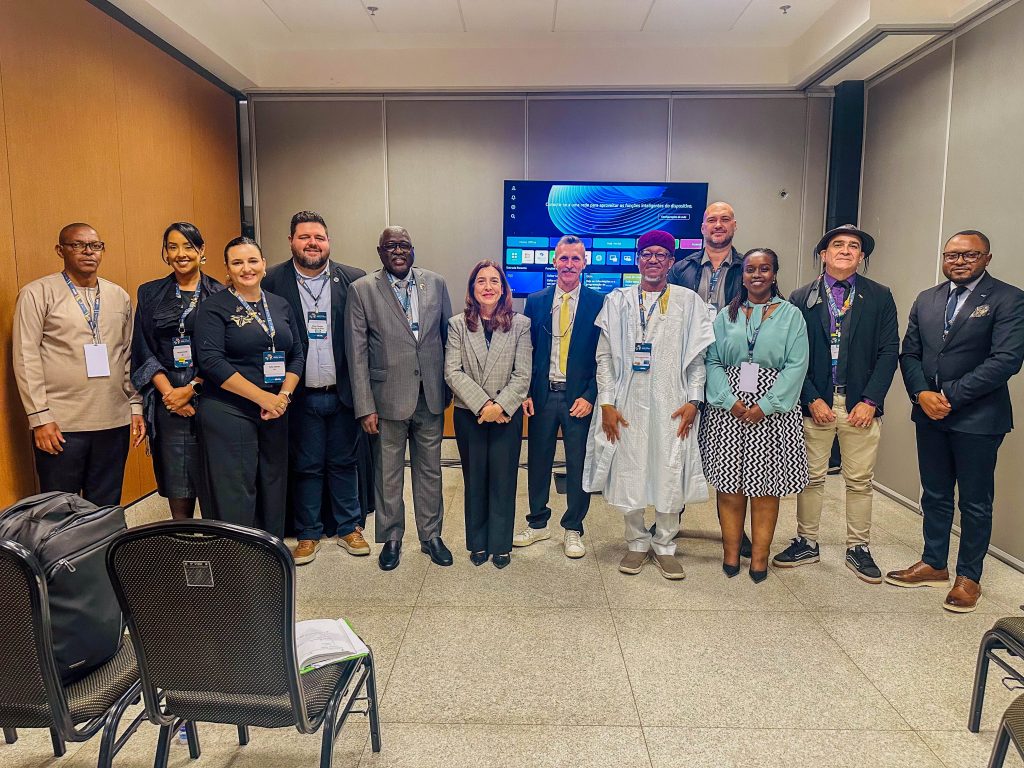
AAU’s engagement at the Forum underscored the growing recognition that sustainable Africa–Brazil cooperation must be anchored in strong university systems, continental networks, shared knowledge production, and long-term institutional partnerships capable of supporting Africa’s broader development and transformation agenda.
Dr. Abdulrazak also used the Forum to position FARA’s upcoming 9th Africa Agriculture Science Week (AASW9) and 10th General Assembly, scheduled to take place in Abuja, Nigeria, as strategic continental convening platforms for advancing partnerships in agricultural science, biotechnology, climate resilience, innovation systems, food systems transformation, and South–South cooperation.
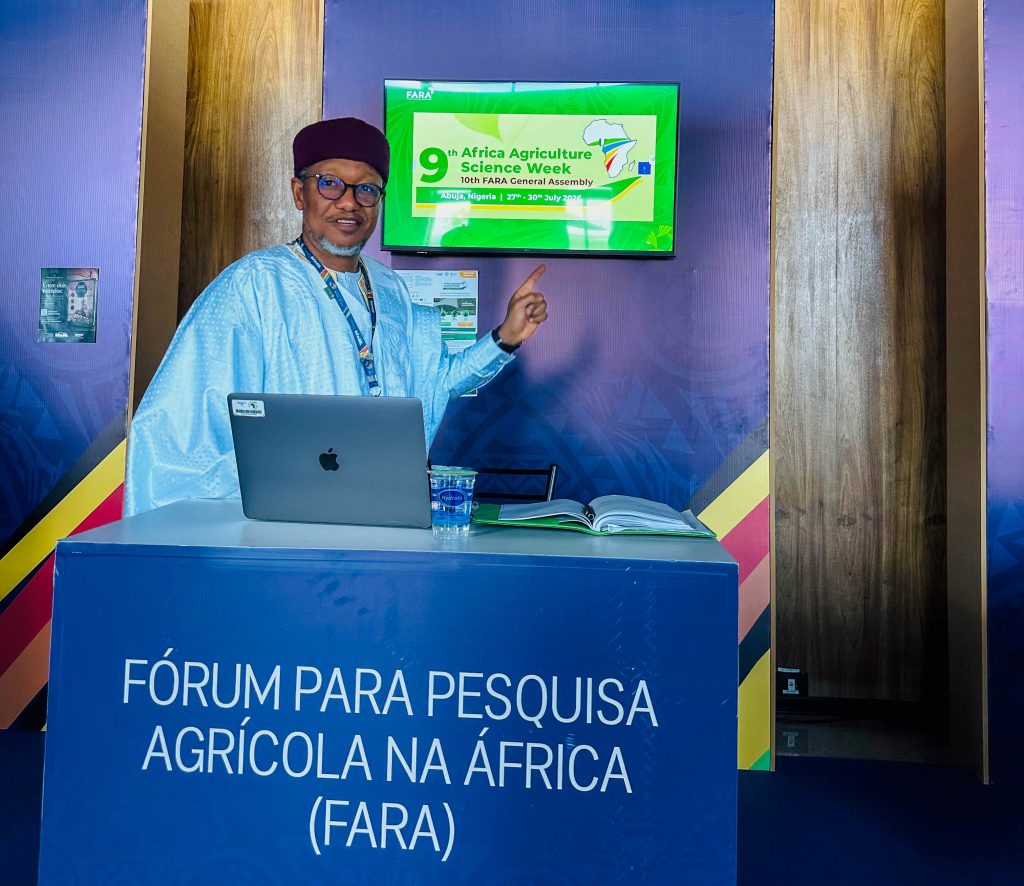
Dr. Abdulrazak Ibrahim, Institutional Capacity and Future Scenarios Cluster Lead Specialist
As part of this growing partnership agenda, discussions were initiated on organizing a dedicated Africa–Brazil Parallel Session and ARIFA Side Event during AASW9 to further strengthen institutional partnerships, scientific exchange, innovation collaboration, and long-term cooperation between African and Brazilian stakeholders.
The Brazil–Africa Rectors Forum demonstrated the growing importance of science diplomacy, collective institutional action, and strategic South–South cooperation in shaping a shared future of innovation, resilience, inclusion, and sustainable development between Africa and Brazil.


Leave A Comment