


by Shaquille Pennaneach & Benjamin Abugri
Accra, Ghana | 1–3 July 2026
The CIRAWA Agroecology Conference 2026 concluded in Accra with a renewed call for stronger partnerships, evidence-based policies, and greater investment in agroecology and nature-based solutions as pathways to transforming Africa’s food systems.
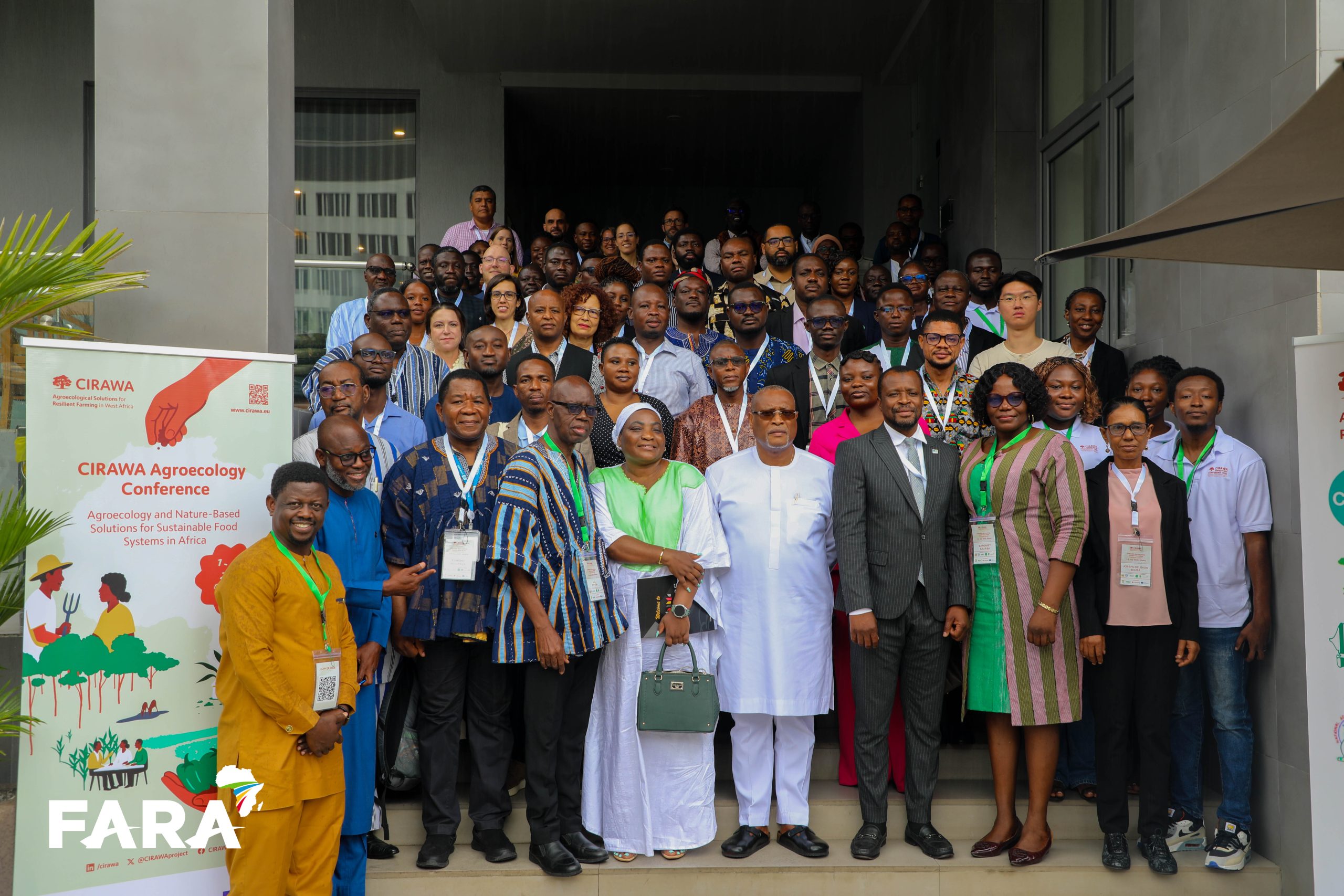
Held under the theme “Agroecology and Nature-Based Solutions for Sustainable Food Systems in Africa,” the conference convened scientists, policymakers, development partners, private sector representatives, farmer organizations, civil society, and academia from across Africa and Europe to exchange knowledge, showcase innovations, and develop practical pathways for scaling agroecological transformation.
A High-Level Gathering for Africa’s Food Systems Transformation
The conference officially opened with representation from the Office of the Vice President of the Republic of Ghana. Hon. Dr. Alex Segbefia, Chief of Staff, Dr Miriam Rahinatu Iddrisu, Policy Advisor – Social Sector, and Dr Hamza Bukari, Policy Advisor – Economic Sector, represented H.E. Professor Naana Jane Opoku-Agyemang, Vice President of Ghana, reaffirming the Government’s commitment to sustainable agriculture, climate resilience, and food systems transformation.
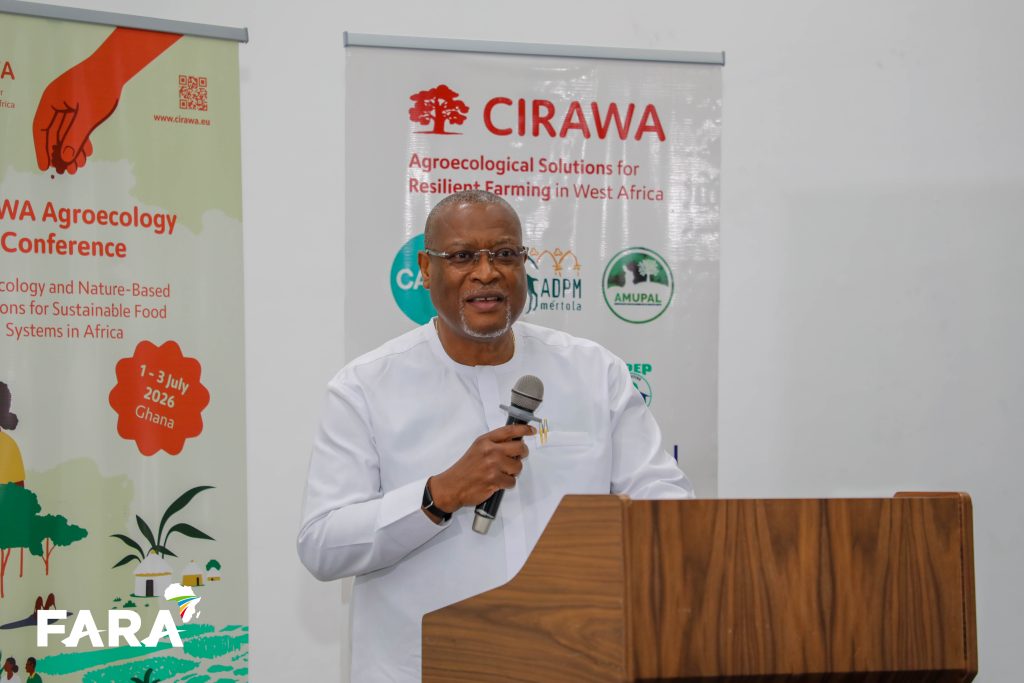
Hon. Dr. Alex Segbefia, Chief of Staff, Office of the Vice President of the Republic of Ghana
Participants also included representatives from the European Union, UNESCO, IUCN, FARA, CORAF, CARTIF, the University for Development Studies (UDS), Ghana’s Environmental Protection Agency (EPA), the Ministry of Food and Agriculture (MoFA), the Ministry of Environment, Science, Technology and Innovation (MESTI), World Vision, Amaati, and several research and development organizations.
Their collective presence underscored the growing recognition that no single institution can address the complex challenges of food insecurity, climate change, biodiversity loss, and land degradation alone.
Science Meets Indigenous Knowledge
Throughout the three-day event, keynote presentations highlighted the importance of combining scientific research with indigenous knowledge systems to accelerate agroecological transitions.
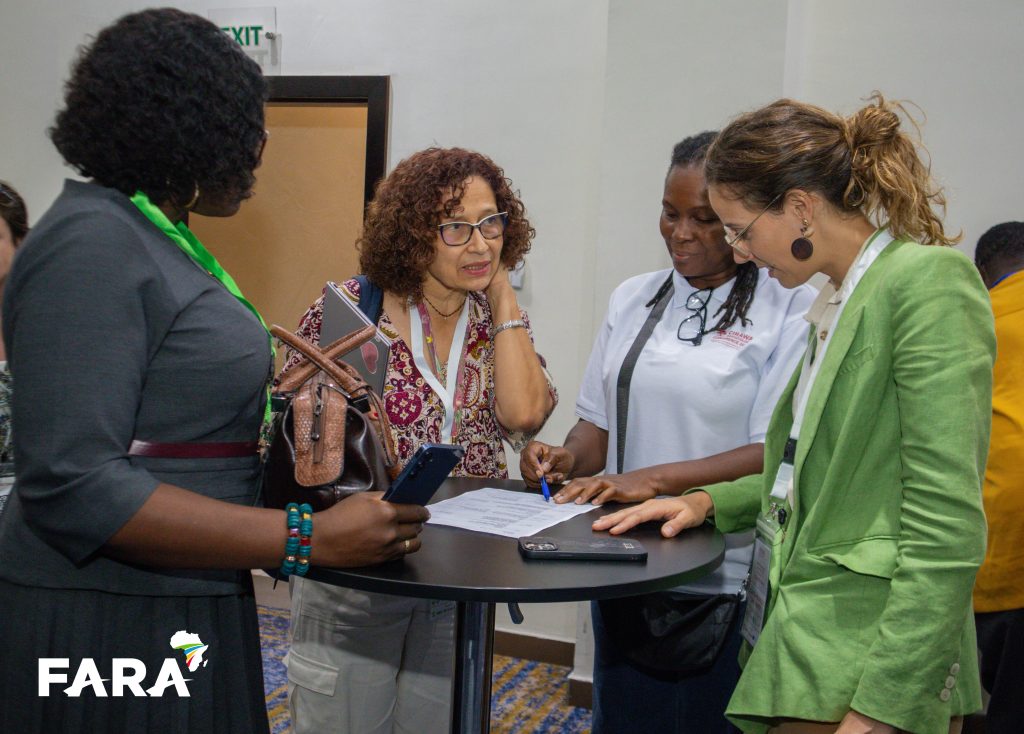
Participants networking and exchanging knowledge
The conference explored how nature-based solutions can improve agricultural productivity while restoring ecosystems, strengthening soil health, conserving biodiversity, and enhancing resilience to climate change. Sessions also examined how education, innovation, and community participation can drive long-term agricultural transformation.
FARA Champions Healthy Soils and Circular Agriculture
One of the conference highlights was the keynote delivered on behalf of FARA Executive Director Dr. Aggrey Agumya by Prof. Oluwole Fatunbi, Acting Director of Research and Innovation.
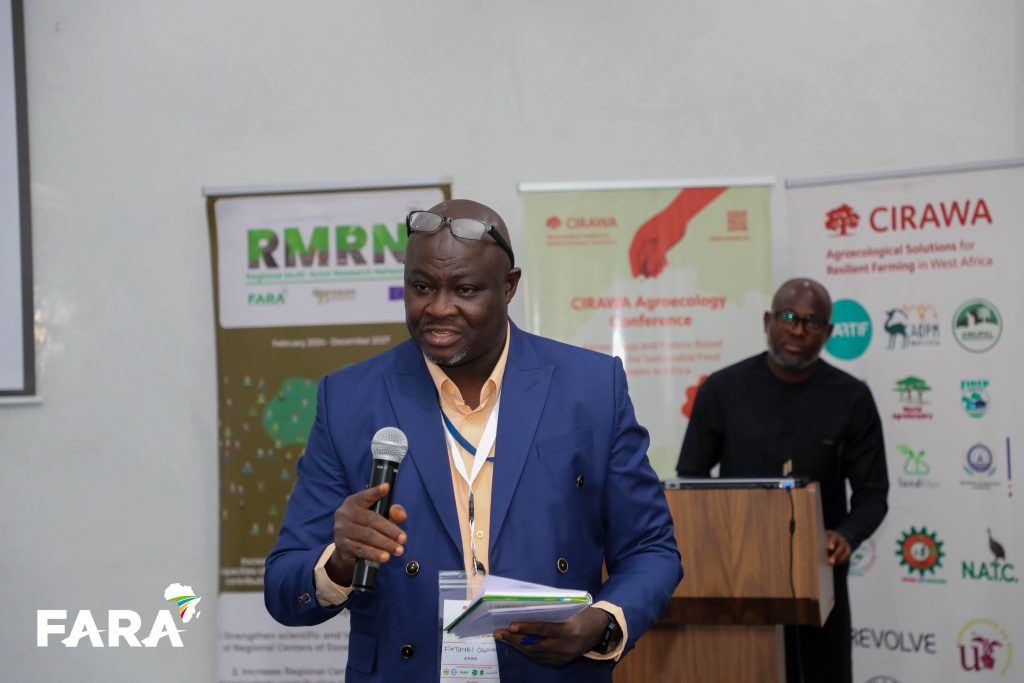
Prof. Wole Fatunbi, Ag. Director of Research and Innovation, FARA
The presentation, titled “Soil Health, Agro-Waste and Circularity – Recycling: Nature’s Pathway to Healthy Soil,” emphasized the importance of restoring soil fertility through circular approaches that transform agricultural waste into valuable resources.
The keynote reinforced FARA’s commitment to promoting healthy soils as the foundation of resilient food systems and sustainable agricultural productivity across Africa.
Rich Scientific Exchange
The conference featured an extensive programme of scientific sessions covering key themes critical to Africa’s agricultural future, including:
- Agroecological technologies and practices
- Nature-based solutions
- Soil health and circularity
- Metrics, indicators, and monitoring systems
- Agroecology transitions
- Policy, scaling, and gender integration
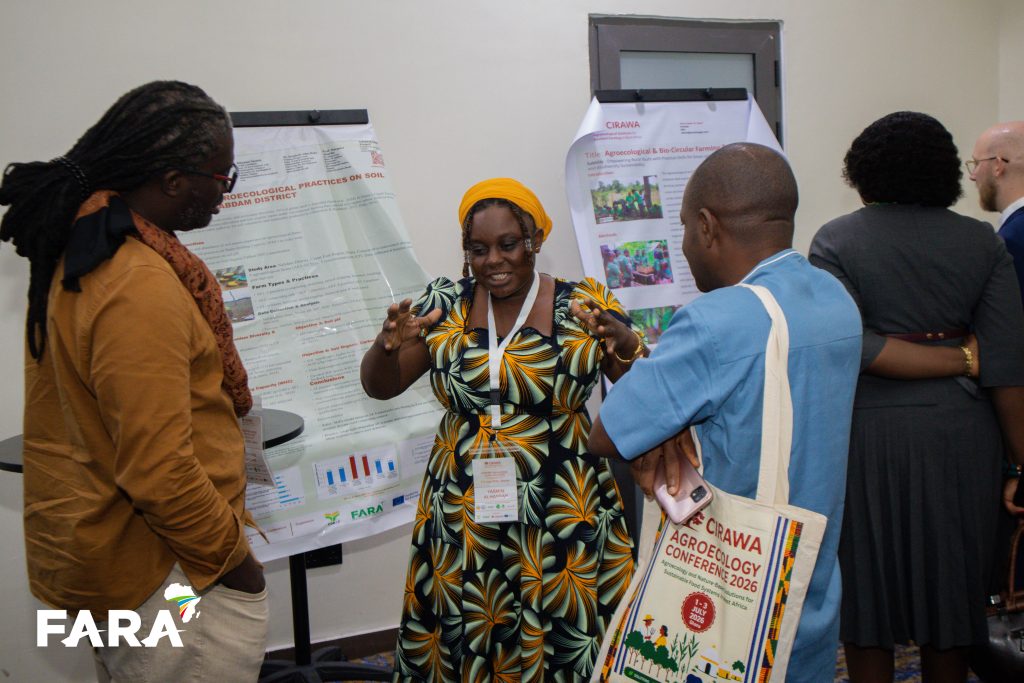
Research Poster Presentation Sessions
Poster exhibitions, technical discussions, and interactive workshops provided additional opportunities for participants to share research findings, practical experiences, and innovative solutions from across the continent.
From Knowledge Sharing to Action
Beyond scientific presentations, participants engaged in policy dialogues and collaborative workshops designed to bridge the gap between research and implementation.
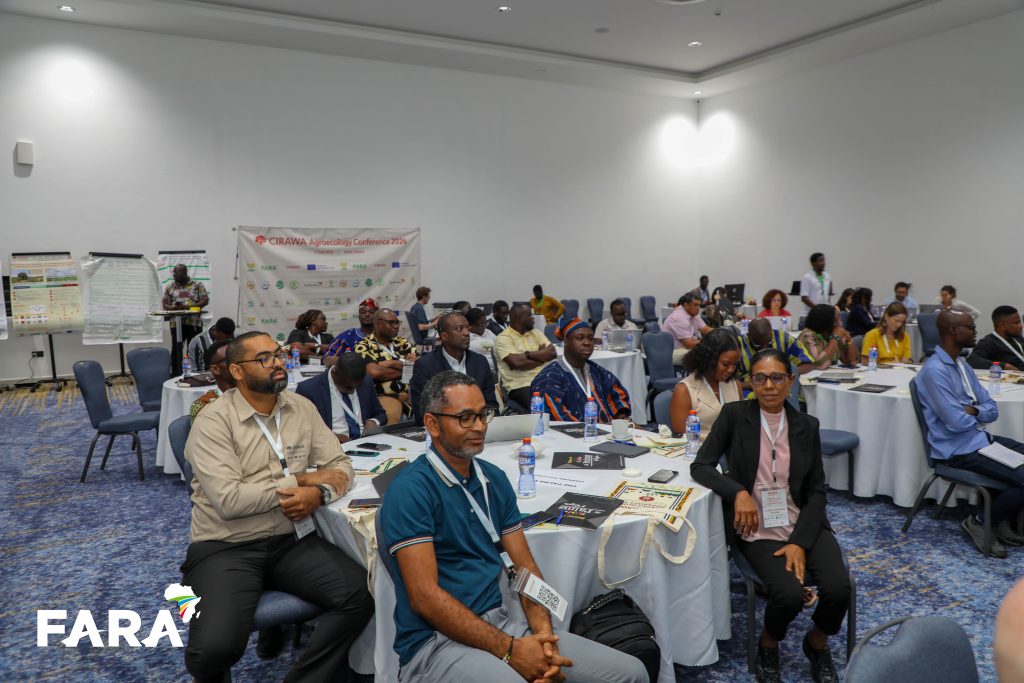
A section of audience at the Opening Plenary Session
Sessions focused on strengthening partnerships for agroecology, developing holistic approaches to assessing agroecological systems, scaling successful practices, and advancing digital decision-support tools for sustainable crop planning.
These discussions reinforced the importance of translating scientific evidence into practical actions that benefit farmers, communities, and national food systems.
Partnerships at the Centre of Transformation
A recurring message throughout the conference was that successful agroecological transitions depend on collaboration.
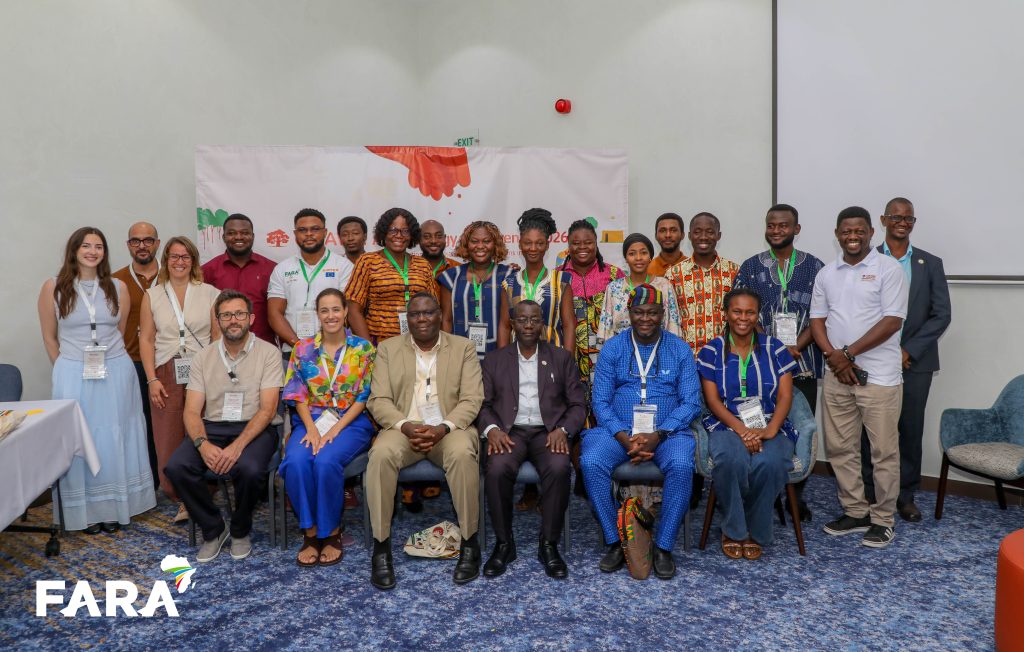
Team Members of Local Organizing Committee
Organizers acknowledged the collective efforts of institutions including CIRAWA, CORAF, FARA, IUCN, UDS, World Vision Ghana, EPA Ghana, Amaati, FIDEP, the European Union, and numerous project partners whose collaboration made the conference possible.
Participants also recognized the leadership of conference organizers, keynote speakers, moderators, rapporteurs, communications teams, logistics personnel, and volunteers whose contributions ensured a successful event.
A Shared Vision for Africa
Reflecting on the outcomes of the conference, organizers noted that the three days had delivered far more than presentations. The event fostered meaningful scientific exchanges, practical demonstrations, policy reflections, exhibitions, workshops, and stronger partnerships dedicated to advancing agroecology across Africa.
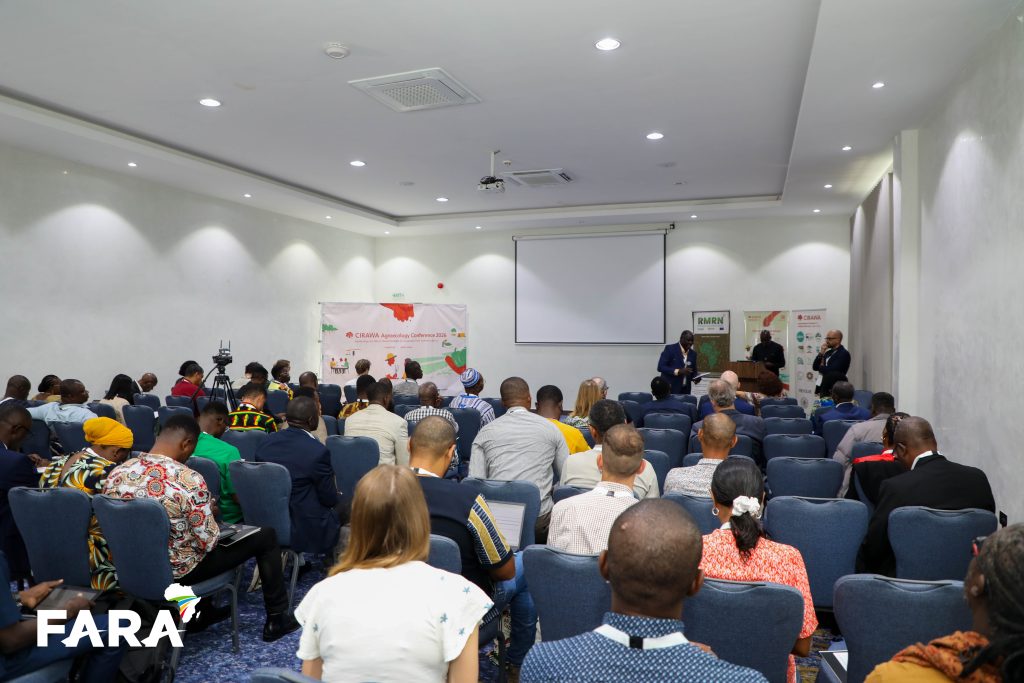
A section of audience at the Day 2 Plenary Session
Participants left with a shared commitment to ensure that the conference recommendations translate into concrete actions capable of supporting resilient farming systems, sustainable food production, improved livelihoods, and healthier ecosystems.
Looking Ahead
As Africa continues to confront the interconnected challenges of climate change, soil degradation, biodiversity loss, and food insecurity, the CIRAWA Agroecology Conference has reinforced the importance of investing in science, innovation, partnerships, and locally adapted solutions.
For FARA and its partners, the conference represents another important milestone in advancing agricultural research for development and strengthening Africa’s transition toward resilient, inclusive, and sustainable food systems.
The partnerships forged, knowledge exchanged, and recommendations developed during the conference are expected to contribute to future policies, research programmes, and investments that place agroecology at the heart of Africa’s agricultural transformation agenda.


Leave A Comment