


Adama & Lume, Oromia Region, Ethiopia — February 27, 2026
By Benjamin Abugri, Abdulrazak Ibrahim, Israel Fugah & Shaquille Pennaneach
Following the successful TAAT Wheat Compact planning meeting, partners from across Africa convened in Adama, Ethiopia, from 25–27 February for an implementation-focused workshop aimed at translating research outputs into practical, farmer-ready guidance. Hosted by the Government of Ethiopia through the Ethiopian Institute for Agricultural Research (EIAR), the meeting underscored Ethiopia’s leadership in advancing wheat self-sufficiency and regional knowledge exchange.
The workshop marked a decisive shift from planning to delivery. The Forum for Agricultural Research in Africa (FARA) led the development of structured outreach and extension materials designed to accelerate the adoption of improved wheat technologies across national systems.
Organised under the Technologies for African Agricultural Transformation (TAAT) programme, the Wheat Toolkit Finalisation Workshop focused on harmonising Good Agricultural Practices (GAP) messaging and producing standardised, farmer-friendly extension tools for deployment through national extension services. The initiative responds to the urgent imperative to boost domestic wheat production through improved agronomy, strengthened seed systems, and coordinated value chain partnerships.
Transforming research into knowledge that farmers find accessible
The workshop brought together national focal persons, agronomists, researchers, and technical partners from Ethiopia, Kenya, Mali, Sudan, Tanzania, and Zimbabwe, as well as ICARDA, national research institutions, and TAAT technical teams. While ICARDA continues to lead wheat research and technology development, FARA, through the TAAT Capacity Development and Technology Outreach (CDTO) Compact, concentrates on ensuring that these innovations are effectively translated into accessible, scalable solutions for farmers.
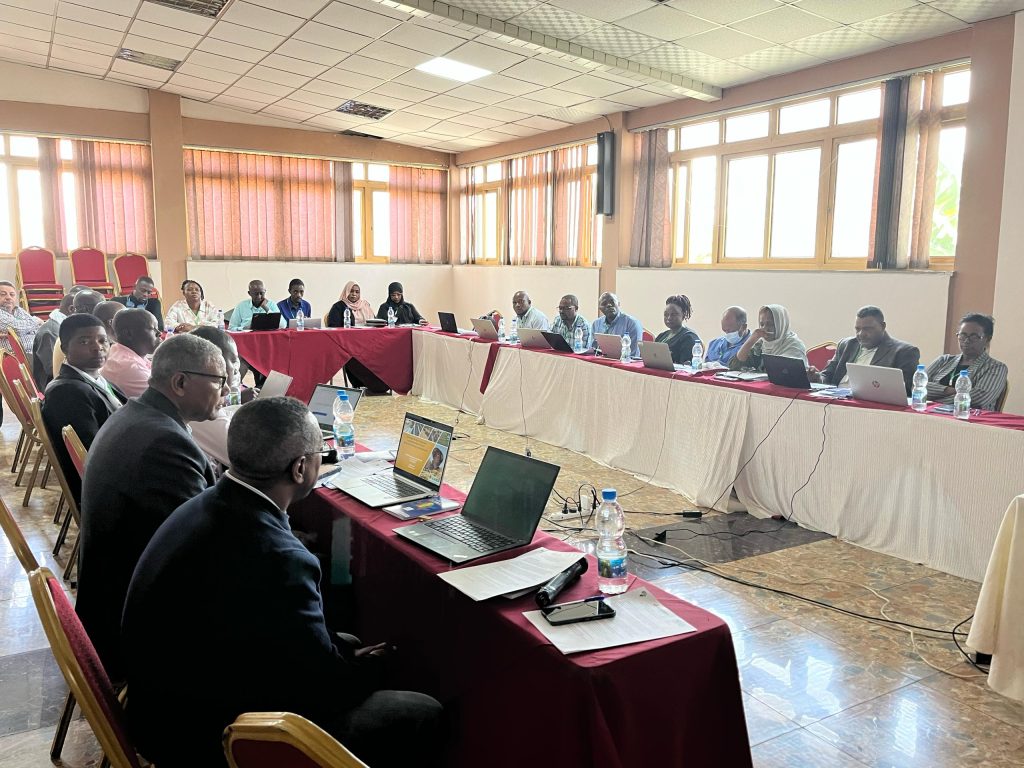
Dr. Abdulrazak Ibrahim presented the mandate of the CDTO Compact and its role in expanding agricultural innovation through structured capacity development and outreach systems. Mr. Benjamin Abugri facilitated sessions on designing high-quality extension materials, emphasising clarity, farmer-centred messaging, climate-smart practices, incentive structures, and practical, actionable guidance. Discussions also explored tools for scaling technologies, standardised frameworks for outreach manuals, and harmonised communication formats to ensure cross-country consistency.
Working in country clusters, participants analysed production constraints, communication bottlenecks, and institutional support gaps. The exercise culminated in consolidated recommendations on technical backstopping, coordination mechanisms, and strategic communication approaches required to sustain and expand wheat productivity gains across participating countries.
From Innovation to Impact: Field Learning at the Lume Innovation Platforms
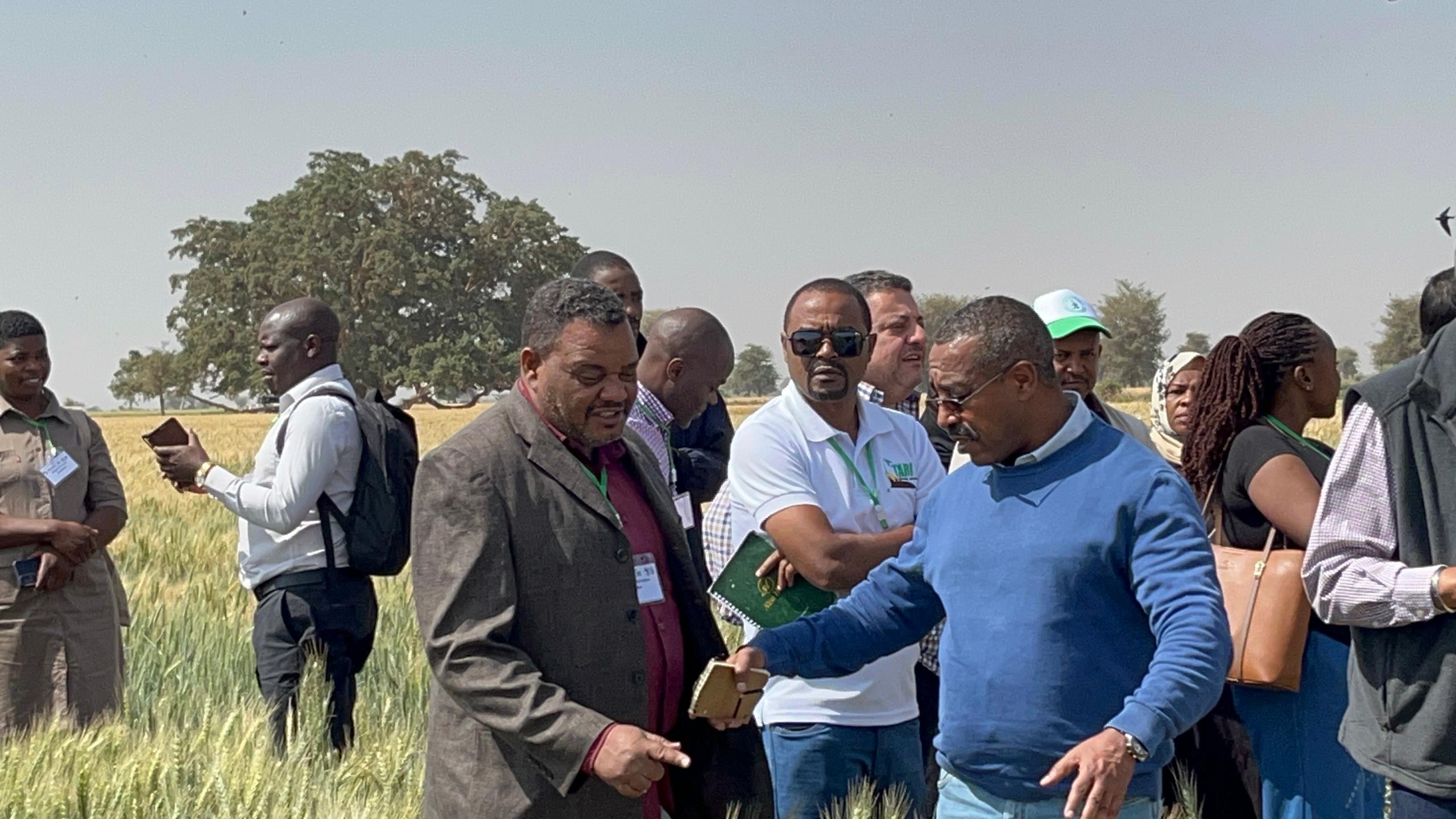
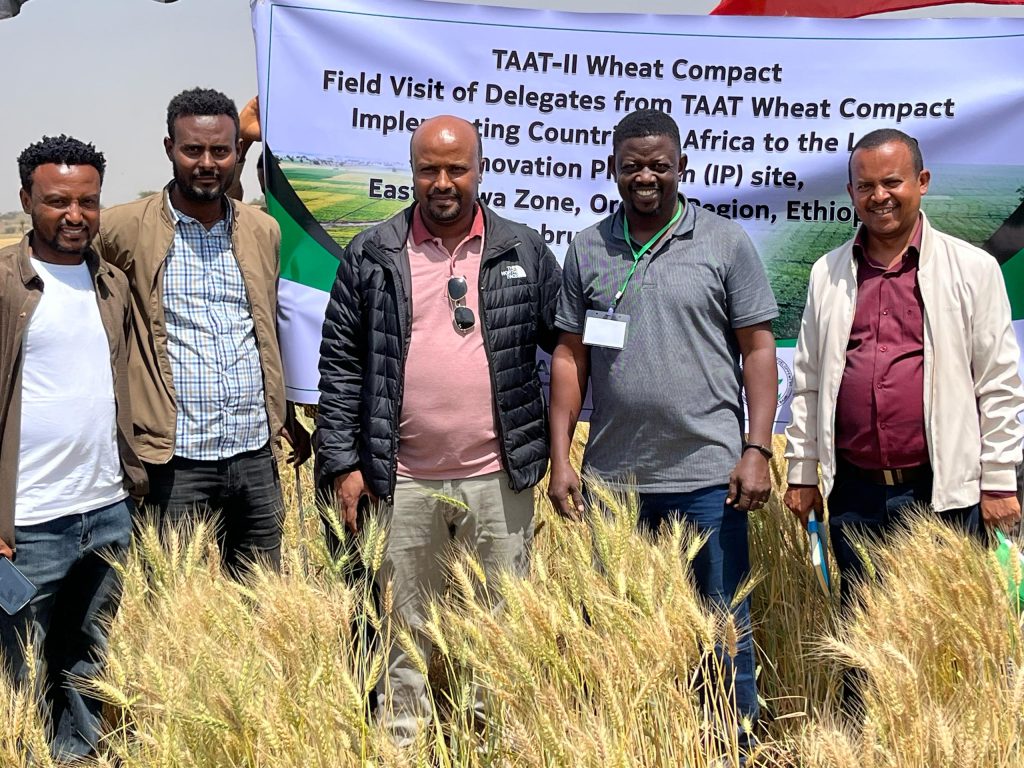
A major highlight of the workshop was a field visit on 26 February to the Lume Innovation Platform in the East Shewa Zone of the Oromia Region. The site offers a compelling demonstration of how coordinated research, extension systems, and farmer-led adoption can translate scientific advances into measurable production gains.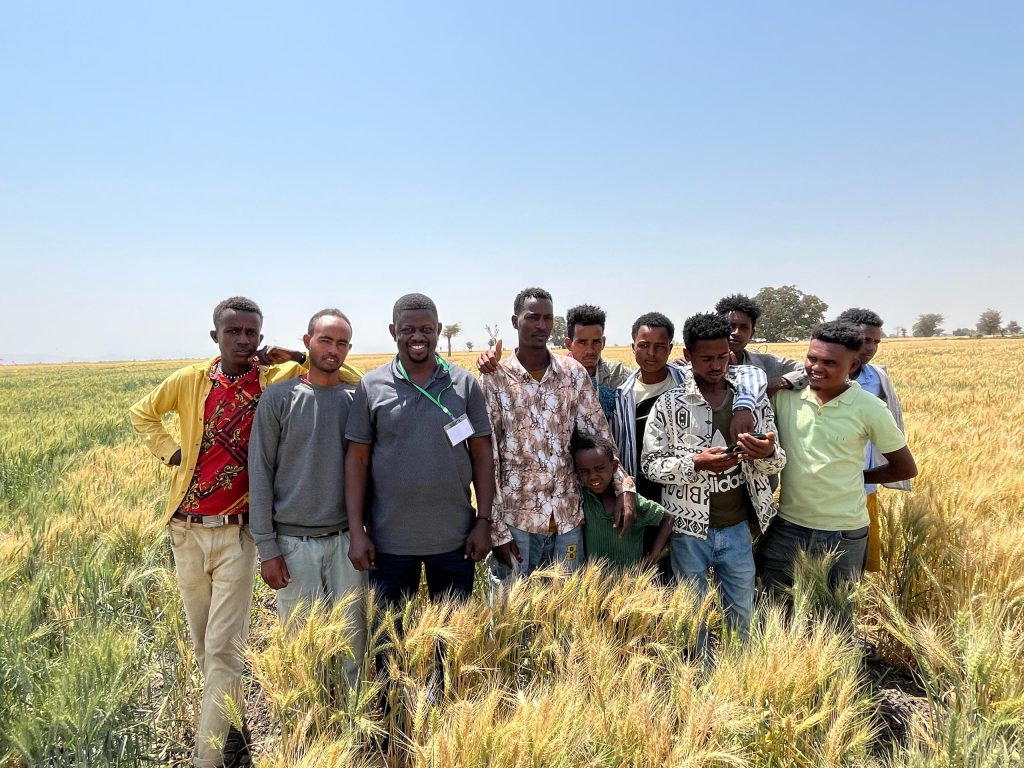
Since 2018, wheat cultivation in the area has expanded from approximately 150 hectares to about 7,200 hectares by 2025. Participants cited this rapid transformation as a practical illustration of how science-based innovations, when effectively disseminated and supported by robust extension systems, can directly contribute to national food security objectives.
During the visit, participants interacted directly with farmers and extension agents, observing improved wheat varieties, irrigation practices, and enhanced agronomic management techniques. The field experience reinforced a central message of the workshop: technology alone does not drive agricultural transformation—systematic adoption, supported by coordinated outreach and institutional alignment, makes the difference.
Developing the wheat extension toolkit
The final day of the workshop focused on transforming technical research into practical communication tools that farmers can readily apply. Participants worked on developing clear, farmer-friendly materials—including flyers, leaflets, and pictorial guides—that translate research findings into straightforward field instructions.
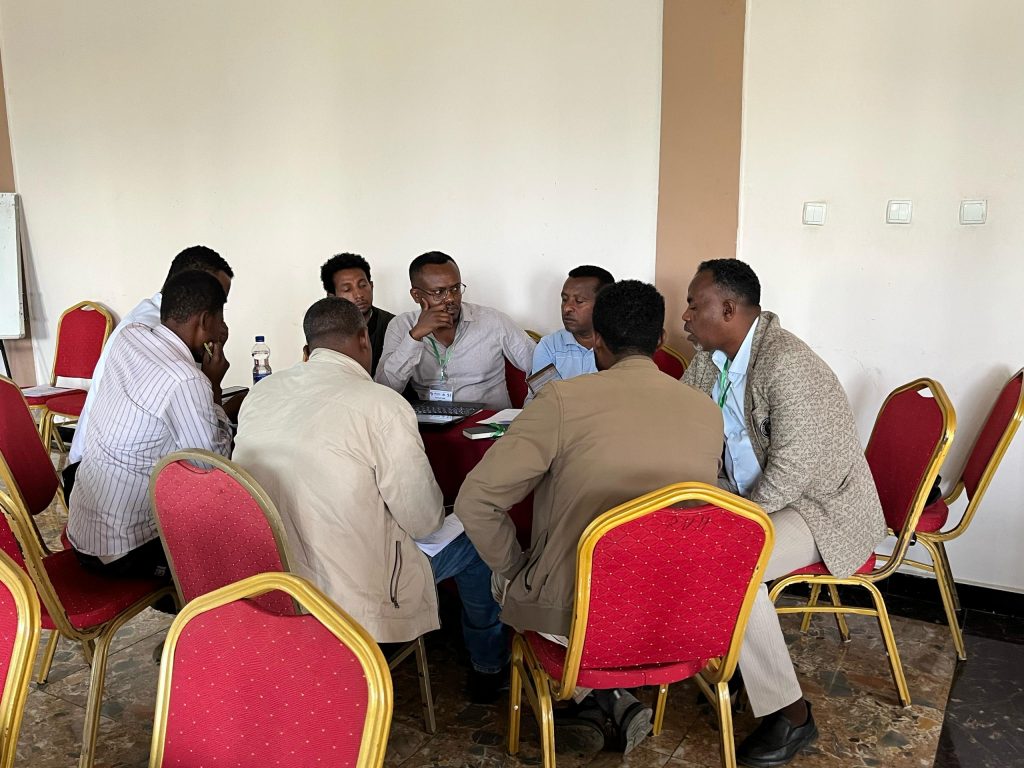
Draft national Good Agricultural Practices (GAP) guides were reviewed, covering the full wheat production cycle: land preparation, seed selection, fertilisation, pest and disease management, harvesting, and post-harvest handling. Emphasis was placed on clarity, sequencing, and usability.
Country teams then developed prototype extension leaflets designed to:
- provide clear, step-by-step farming guidance
- Use minimal text and clear visuals.
- support national extension officers, and
- enable translation into local languages.
The workshop concluded with a clear continental action plan: FARA will coordinate the harmonisation and finalisation of wheat outreach and extension materials to guide large-scale adoption of improved technologies across participating countries. These materials will be prepared for printing, translation, and digital dissemination through national agricultural advisory systems.
Strengthening the FARA–ICARDA partnership
The back-to-back workshops reaffirmed the complementary roles of ICARDA and the Forum for Agricultural Research in Africa (FARA). ICARDA leads the development of improved wheat technologies and generates the underlying research evidence, while FARA ensures that this knowledge is effectively translated, communicated, and embedded within national agricultural innovation systems.
In the coming months, the two organisations will work closely with participating countries to finalise and package the wheat technology toolkits, producing a range of extension and outreach materials to support scaling, adoption, and long-term sustainability. These efforts will also contribute to the rollout of TAAT III, further strengthening the link between scientific discovery and farmer uptake across the continent.
As part of the development of the country-specific Wheat GAP Toolkits, participants identified five priority areas that should be clearly emphasised in the outreach and extension materials to be produced. Across all countries, representatives agreed that farmers and extension agents particularly require practical guidance on seed varieties and recommended seeding rates, fertilizer application, irrigation timing, planting calendars, and appropriate storage technologies. These priority themes will shape the key messages to be communicated through the various training and dissemination platforms.
By aligning research, capacity development, and communication, the TAAT Wheat Compact is supporting countries in advancing toward wheat self-sufficiency, reducing dependence on imports, and strengthening food security. The Adama meetings demonstrated a fundamental principle: agricultural transformation is not achieved solely through improved seeds, but through improved systems that ensure knowledge reaches and is adopted by the farmers who feed the continent.


Leave A Comment