


Shaquille Pennaneach
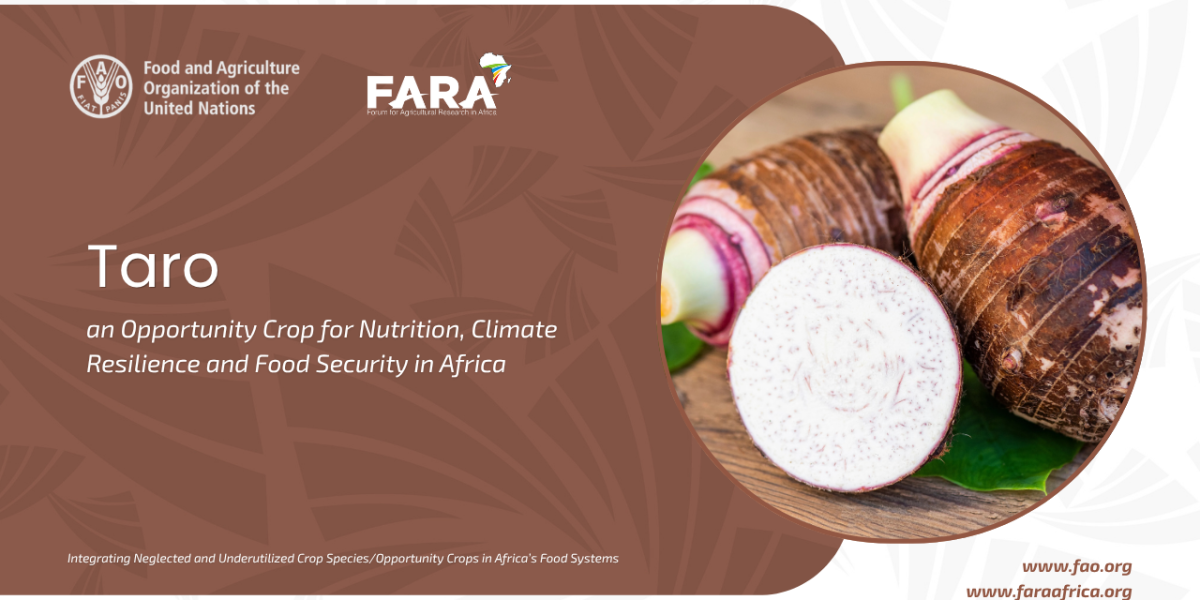
Taro: The Ancient Crop That Deserves a Bigger Place on the Plate
It is easy to overlook Taro. Its rough, brown exterior does little to advertise what is underneath, and its name changes depending on where you encounter it. Yet Colocasia esculenta is one of the world’s oldest cultivated root and leaf crops, with a history stretching across continents (Ahmed et al., 2020). Its evolutionary origins are associated with Southeast Asia, though
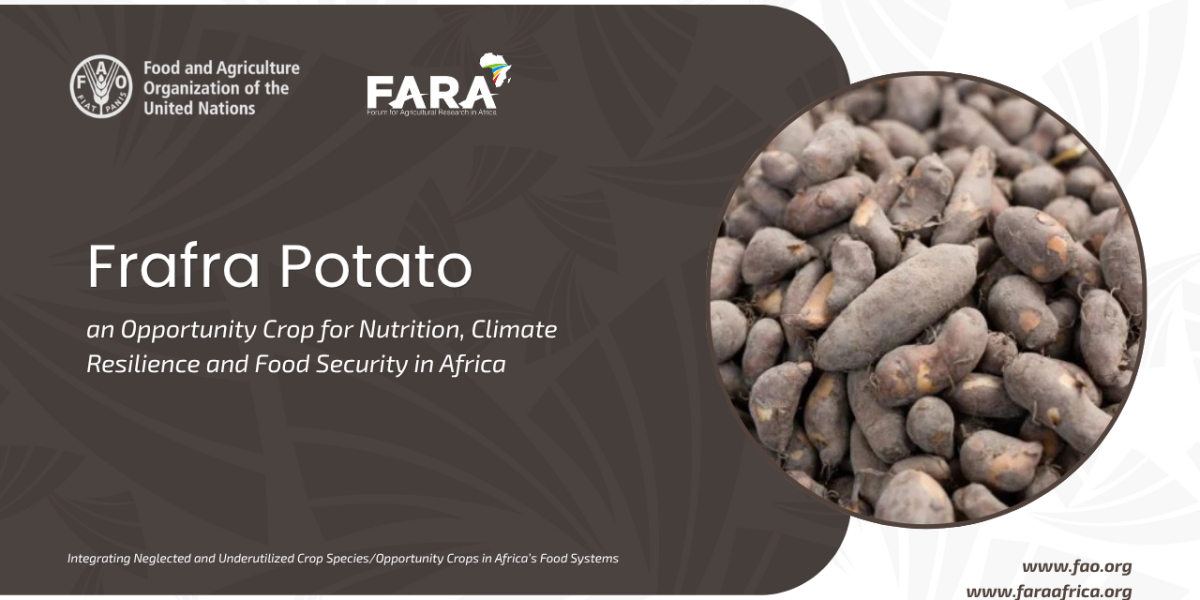
Frafra Potato: More Than Just Another Potato
It looks like an Irish potato. It is cooked like one. But Frafra potato is more than just another potato. It has a story of its own. Known scientifically as Solenostemon rotundifolius, Frafra potato is a tropical African tuber, with particular importance in northern Ghana and other parts of West Africa. It is also cultivated elsewhere in Africa, including parts
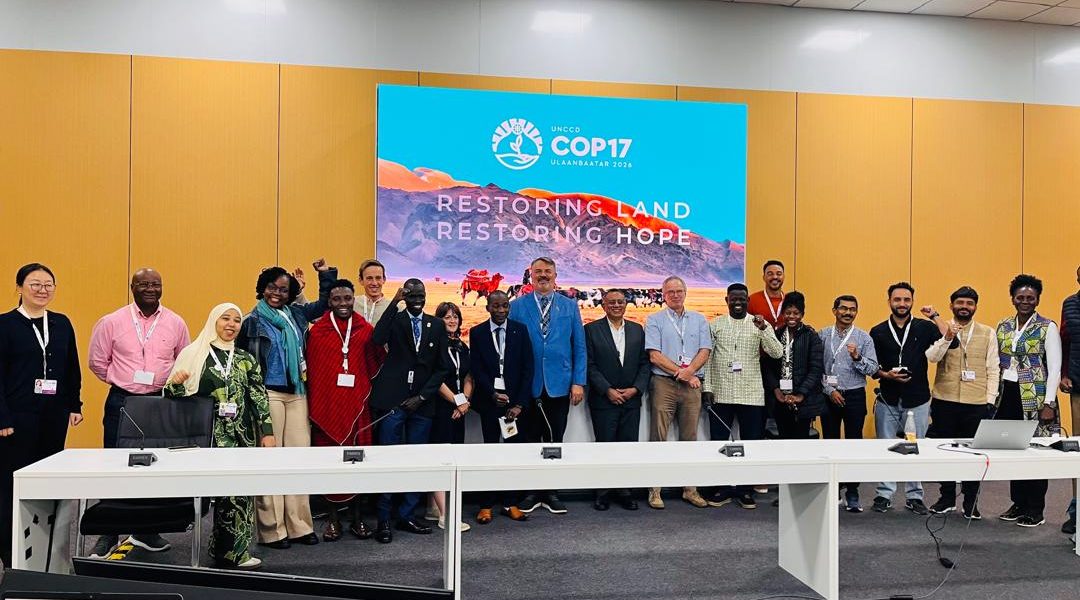
FARA Champions Knowledge Management as a Bridge from Research to Impact at UNCCD COP17
Ulaanbaatar, Mongolia | 21 August 2026 By Benjamin Abugri, FARA The Forum for Agricultural Research in Africa (FARA) has called for a fundamental shift in how research is designed, communicated and translated into action, stressing that knowledge management must be treated as an integral part of the infrastructure for achieving research impact rather than an end-of-project dissemination function. The call
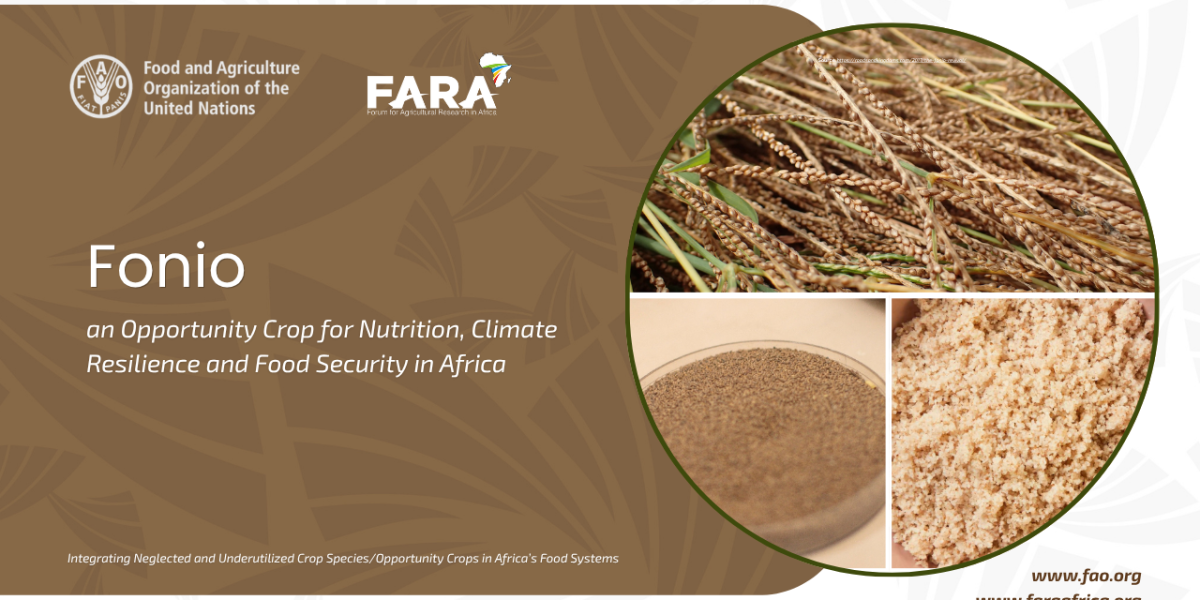
The Tiny Grain with a Big Future: Highlighting Fonio’s Potential in Africa
Meet Fonio (Digitaria exilis), a tiny cereal with a remarkably big story. For generations, communities across West Africa have cultivated and eaten fonio, particularly from Senegal to Chad. Today, this traditional grain is attracting new attention – not because it is new, but because some of the qualities that helped it survive for generations may be exactly what modern food
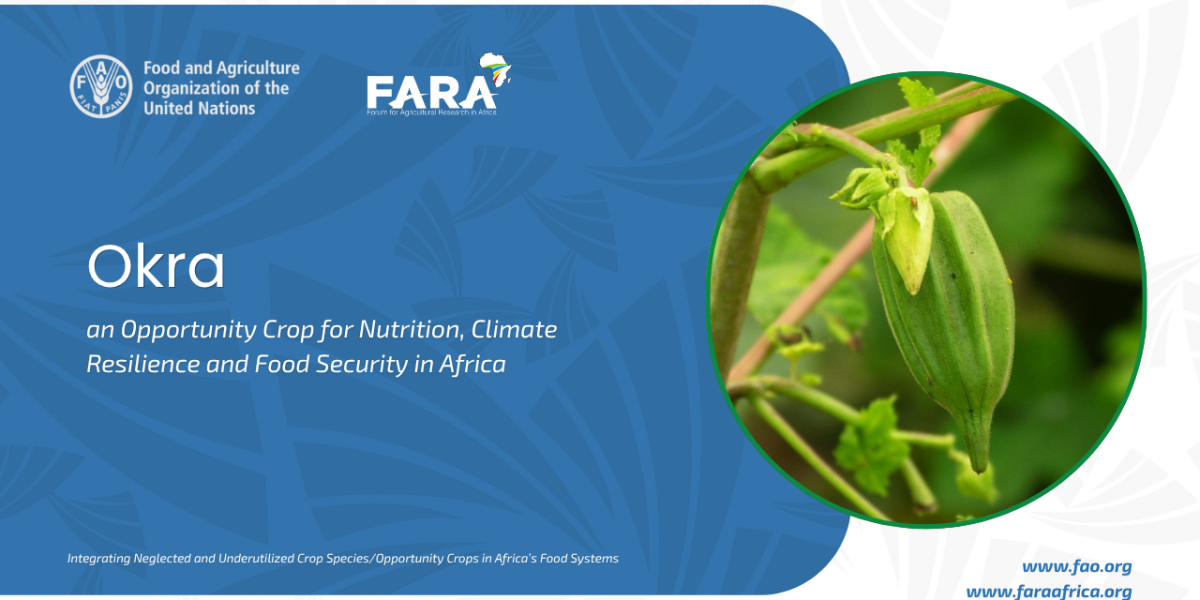
Okra: an Opportunity Crop for Nutrition, Climate Resilience and Food Security in Africa
Okra (Abelmoschus esculentus), also known as ladies’ finger, is a vegetable crop of the Malvaceous family and has several benefits. It is grown widely in tropical, subtropical, and warmer temperate regions including West Africa, South Asia, Southern Europe, and North America. The optimum temperature for growth and development of okra is approximately 24–28°C, and it is widely recognized for its
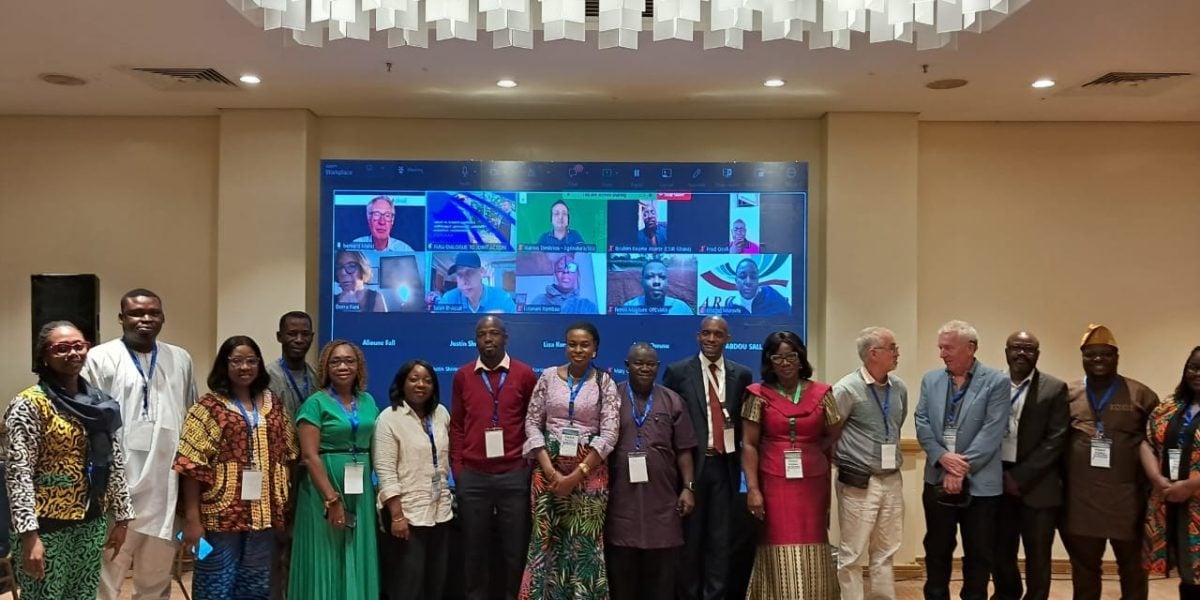
One Institution. One Pledge. Lasting Impact: Africa and EU Institutions invited to turn Inclusion into Action
One Institution. One Pledge. Lasting Impact. Across Africa, women and young people are already transforming agrifood systems. They are leading research, building agribusinesses, developing climate-smart innovations, supporting farmers, and driving change in their communities. Their ideas, energy, and leadership are helping shape more resilient and sustainable food systems. Yet despite these contributions, many remain underrepresented in decision-making spaces, research leadership, and institutional governance, where critical policies,
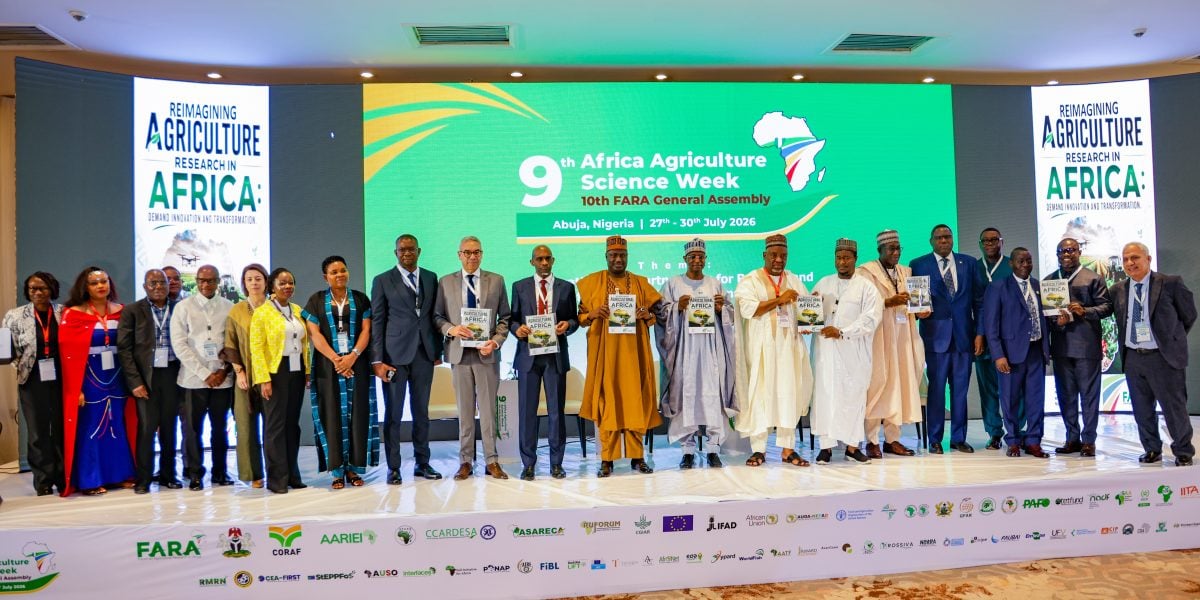
Africa’s agricultural future hinges on scaling proven innovations, leaders say at AASW9
Africa is not short of agricultural innovations. From climate-smart technologies and improved crop varieties to digital advisory services and livestock innovations, the continent has developed solutions that can transform its food systems at scale. Yet millions of smallholder farmers remain beyond their reach. Bridging this gap—moving these proven technologies from research to the last mile users— emerged as the defining
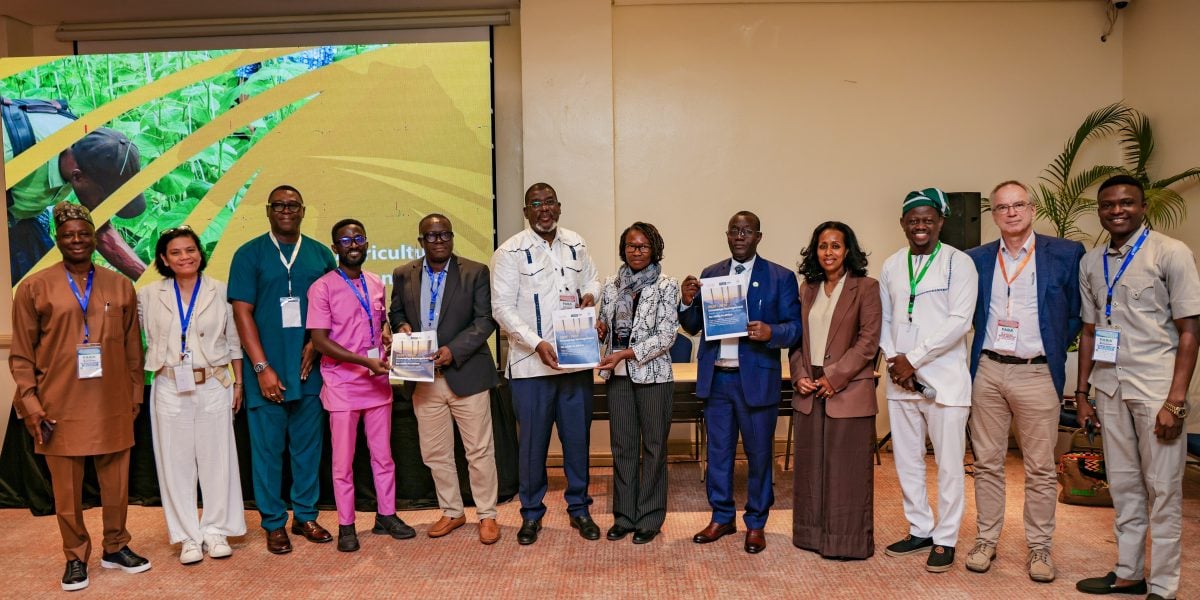
AUC, CAADP-XP4 and CGIAR Sign Renewed Knowledge Management Partnership Framework at AASW9
A renewed five-year framework aimed at repositioning knowledge management as a strategic driver of agricultural transformation, rather than a function limited to documentation and dissemination, was signed by continental partners during a high-level session at the 9th Africa Agriculture Science Week (AASW9) and 10th FARA General Assembly in Abuja. The session, themed “Knowledge, Learning, and Innovation Systems for Agrifood Transformation

From the Trenches to Transformation: AASW9 Sets a New Course for Agricultural Science, Innovation and Partnership in Africa
Four intensive days in Abuja brought together Africa’s agricultural research, policy, investment and innovation communities around a shared imperative: translating science and partnerships into resilient, inclusive and sustainable agrifood systems. For those of us who worked behind the scenes, the 9th Africa Agriculture Science Week and 10th FARA General Assembly were both a continental milestone and a powerful lesson in
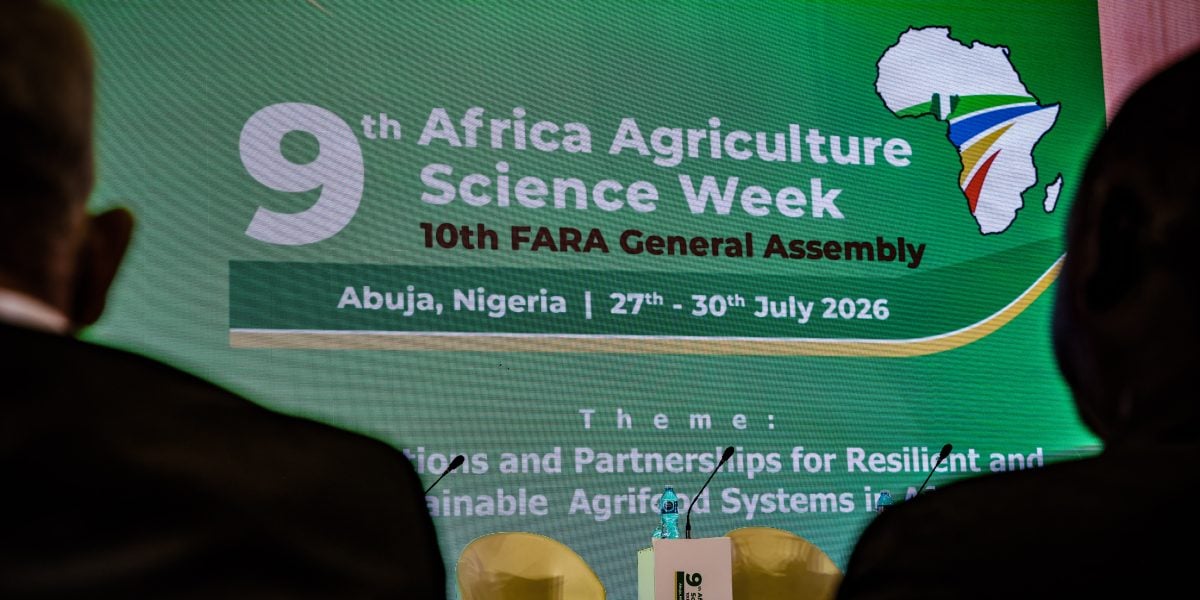
AASW9 Calls for African-Led Financing, Scalable Innovation and Stronger Partnerships for Agrifood Systems Transformation
Abuja, Nigeria | 30th July 2026 The 9th Africa Agriculture Science Week (AASW9) and the 10th General Assembly of the Forum for Agricultural Research in Africa (FARA) concluded successfully on 30th July 2026 at the Abuja Continental Hotel, Nigeria, with a renewed continental commitment to translate agricultural science, innovation and partnerships into measurable improvements in food security, livelihoods, resilience and
Like Us On Facebook


Recent Comments