


publications

UFV welcomes ARIFA fellows on Campus
It was a great pleasure to welcome the first group of Nigerians to UFV on Monday (31st) (TETfund). One of 71 Nigerian students doing Master’s courses remotely under Agricultural Research and Innovation Fellowship for Africa (ARIFA). Dr. Demetrius David da Silva greeted the students and recalled the University’s history, emphasizing its commitment to offering international students “the best in our
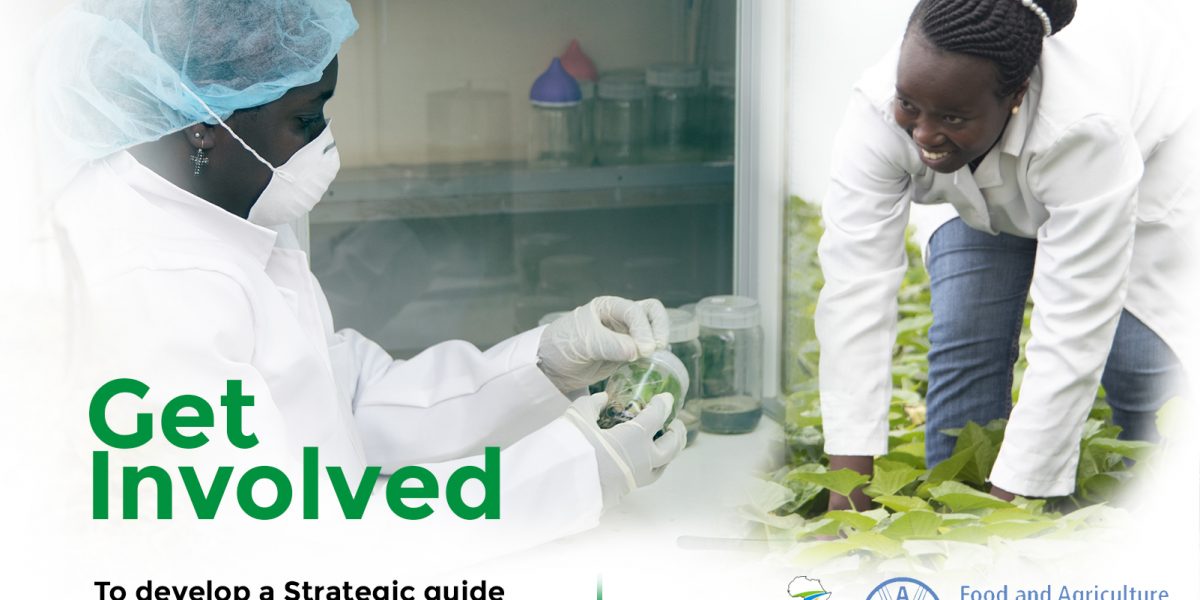
FARA is set to support FAO in developing a strategic guide for Countries to improve research and innovation.
FARA, the apex continental organization coordinating and advocating for agricultural research for development in Africa, is set to launch and facilitate FAO’s request to develop a strategy to provide guidance, coherence, and alignment for impact at the country level through better use of science and innovation. The FAO has undertaken important steps to strengthen its work on science and innovation, including
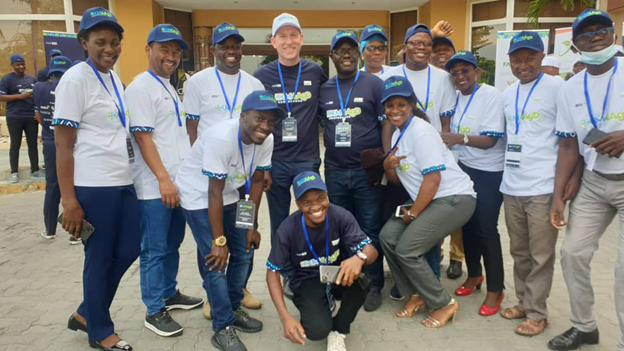
Camaraderie fosters learning during the KM4AgDChallenge.
Story by: Elizabeth Asiimwe (Uganda) We may all have organized virtual learning sessions, but how many of us have organized effective sessions in the agricultural systems setting? Well, this calls for a deeper reflection. I recently participated in the #KM4AgDChallenge which I believe fits the description of an effective learning program. A novice in the field of Knowledge Management:
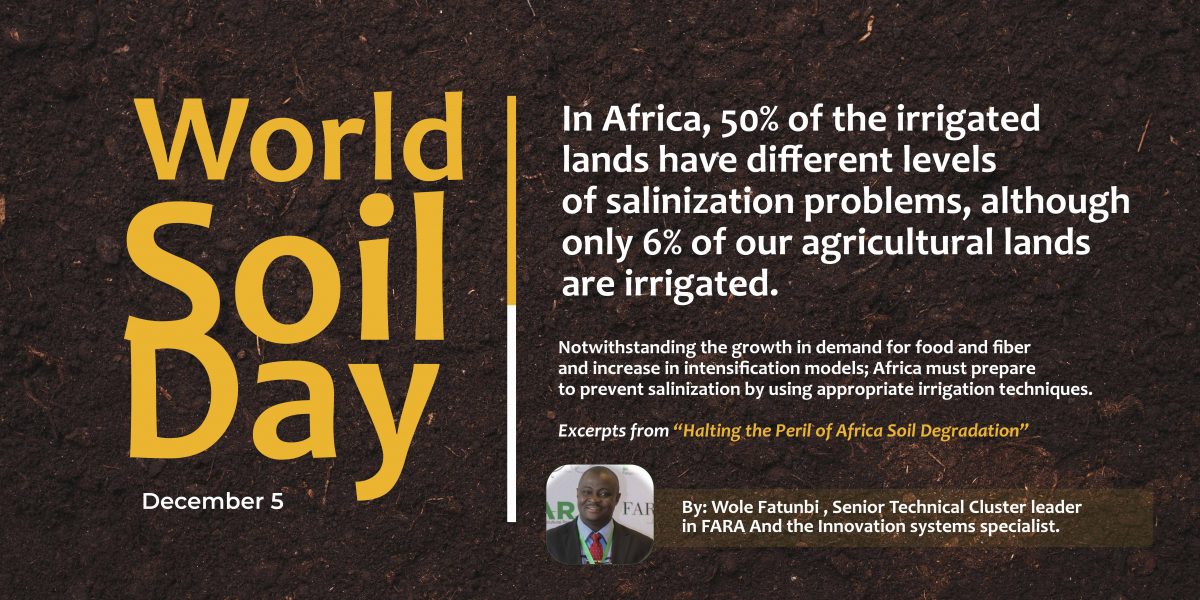
World Soil Day; Halting the Peril of Africa Soil Degradation
By Wole Fatunbi Ph.D. The 5th of December is the 2021 World Soil Day, this year’s theme is “Halt Soil Salinization and Boost Soil Productivity”. In Africa, 50% of the irrigated lands have different levels of salinization problems, although only 6% of our agricultural lands are irrigated. Notwithstanding the growth in demand for food and fiber, and increase in intensification
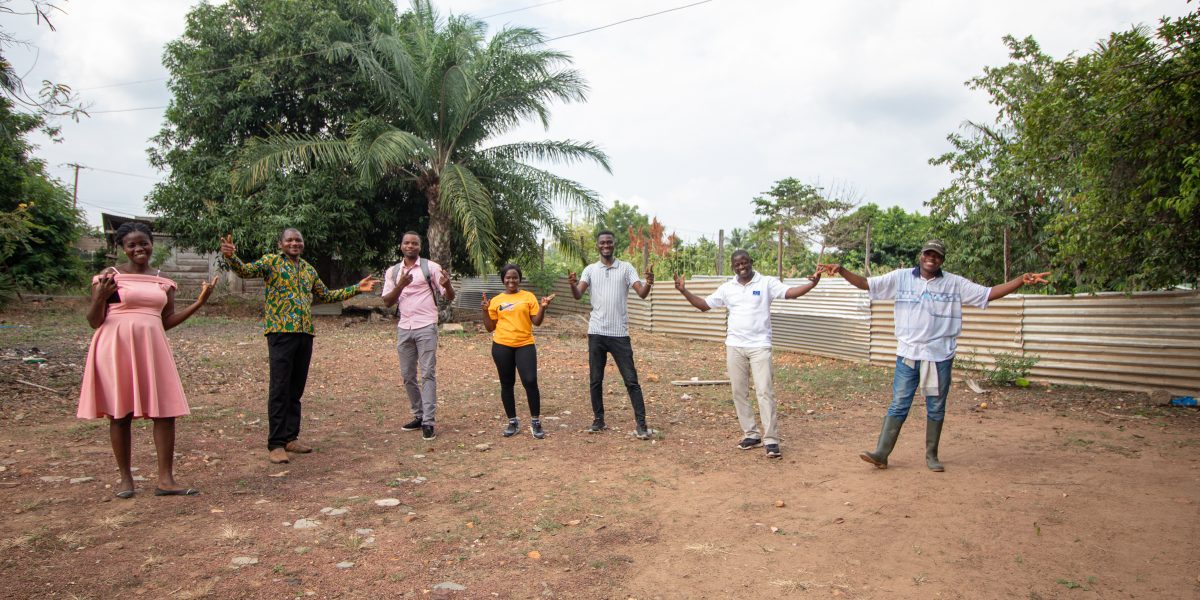
Empowering the youth through sharing of indigenous knowledge
Written By: PAUL ATSU (YPARD Ghana) Indigenous agricultural practices adopted by locals largely depend on traditional knowledge. Such knowledge is common in the agricultural system to preserve the ecosystem and biodiversity. Traditional knowledge has proven to be useful in sustainable food production and the support of human and animal health. Farmers possess a vast pool of indigenous knowledge in agricultural

Five propositions for generating sustainable youth employment in Sub-Saharan Africa
By Dr. Paul Boadu The generation of quality jobs as part of regional and national economic growth and development process is central to ensuring sustainable and inclusive growth. As part of efforts to support job creation for the ever-increasing youth population, many countries in the Sub-Saharan regions of Africa have implemented youth employment programmes over the past years. In the
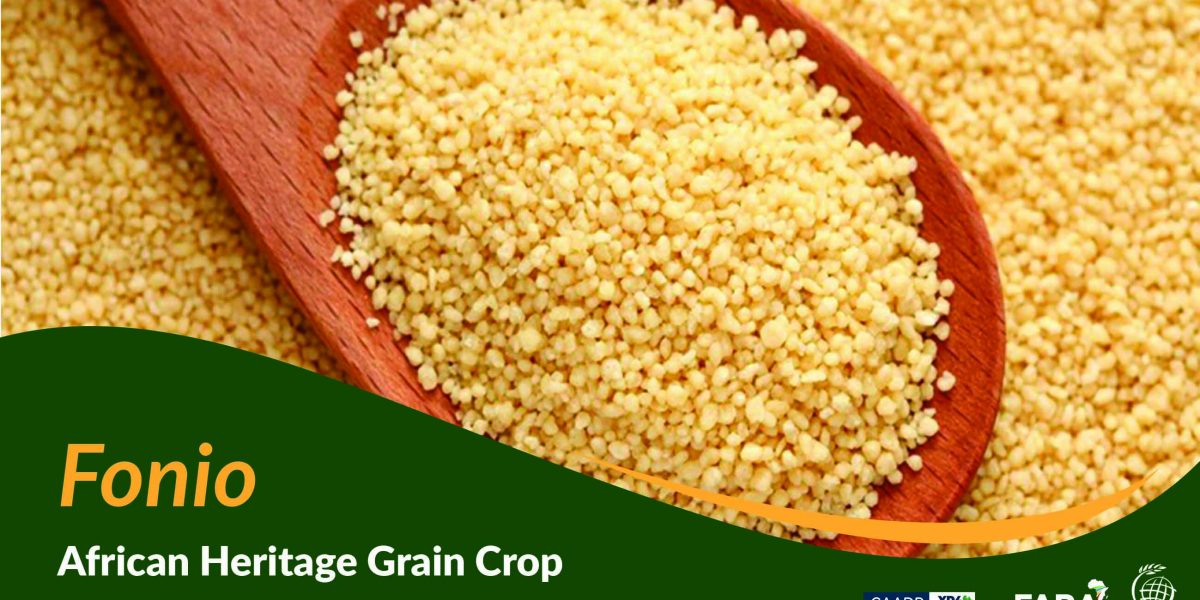
How the African Heritage Grain Crop became an Orphan Crop!
Did you know Africa is blessed with some crop species that thrives well in the continent and across the various regions within the sub-Saharan? These crop species are well adapted to the regions and will require minimal attention during its growing period with low external input use. A lot of talk about originality of crop species have spiked and large
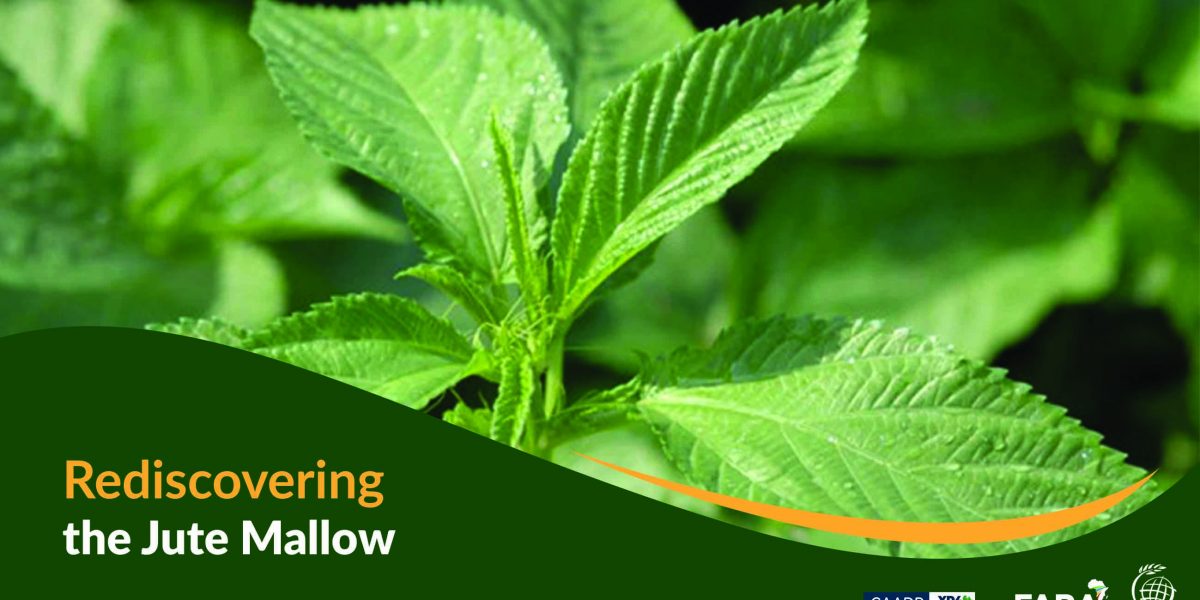
Rediscovering the Jute Mallow…a forgotten food
Africa possess a wide range of indigenous vegetables with huge nutrients to meet the need of its inhabitants. Jute mallow is an important shrub with loads of minerals and vitamins. It is eaten as vegetable soup. The centre of origin of this important vegetable is between Africa and Asia., although the largest variation in species is found in Africa. Jute
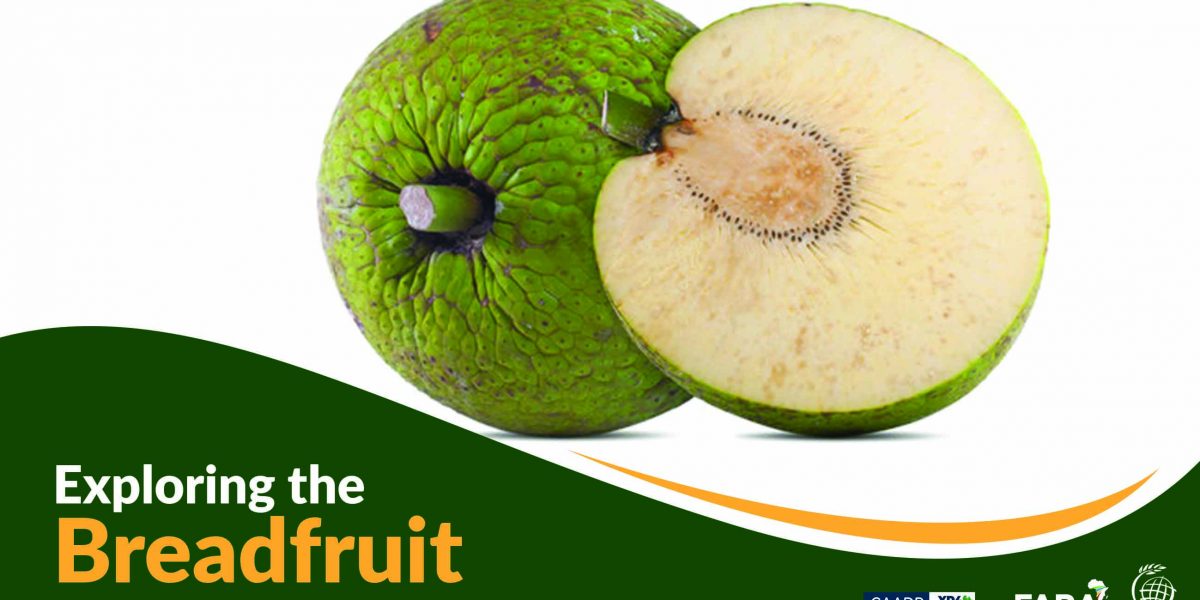
Exploring the Breadfruit… a forgotten Africa food
The breadfruit is an amazing food commodity; it should rather be called a “loaf of nutrients”, it contains huge amounts of vitamin, mineral and other essential elements. At last! it now falls within the forgotten food commodities. Bread fruit originates from New guinea and the Philippines; but it grows very well in most tropical areas of the world and thrives
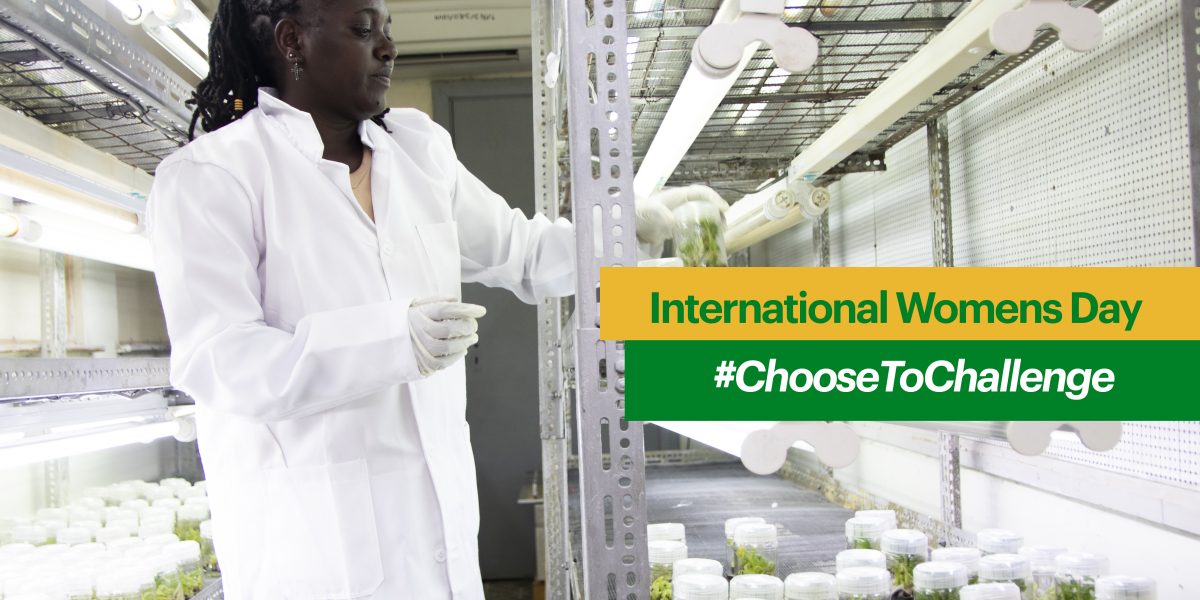
Advocating for Gender-Smart Investments In Advancing Science, Technology and Innovation within Africa’s AR4D
#CHOOSETOCHALLENGE By; Karen Munoko Nguru This year’s International Women’s Day is celebrated in such unprecedented times. As the continent and, more specifically, the agricultural community start to recover from the COVID-19 pandemic slowly, it presents an opportunity to build back better. However, to do that requires immediate, practical actions that choose to challenge the systemic issues that have prevented the
Like Us On Facebook


Recent Comments